

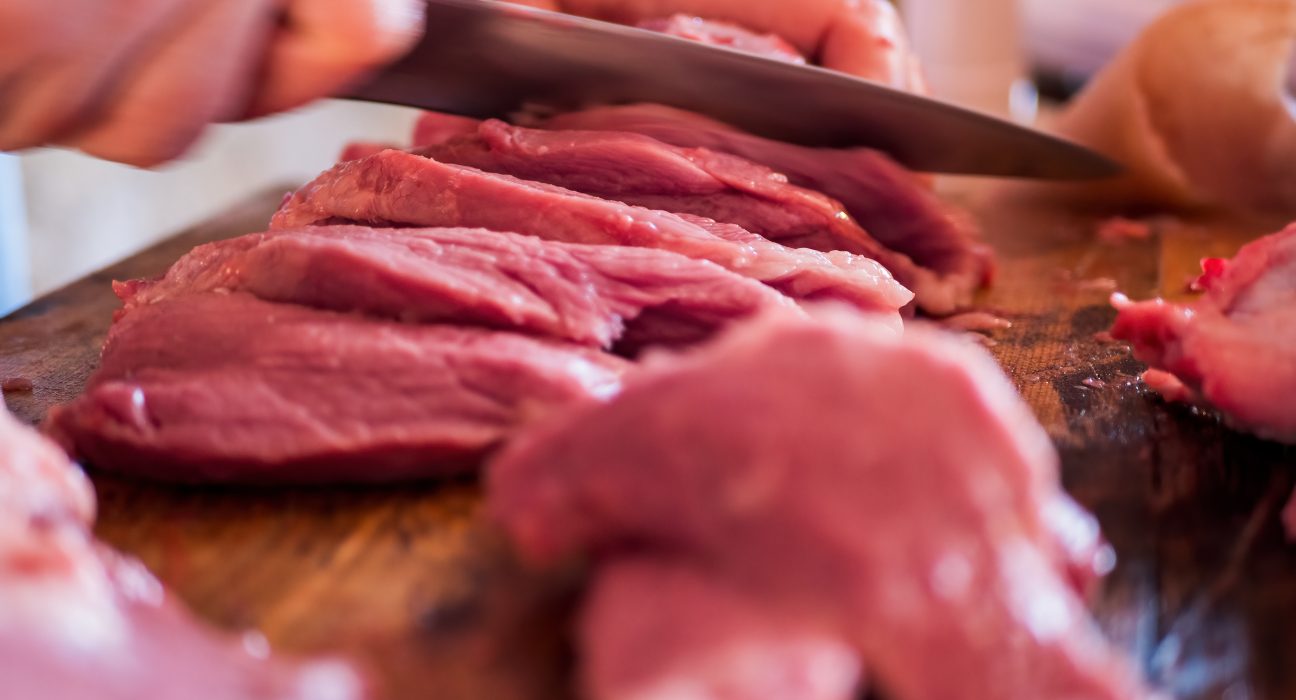
For those who follow halal dietary guidelines, buying fresh halal meat is more than just a grocery task—it’s about ensuring quality, safety, and adherence to religious principles. Fresh halal meat guarantees not only compliance with Islamic law but also better taste, texture, and nutritional value. Whether you’re shopping for daily meals or preparing for a special occasion, knowing how to select the best meat is essential.
In this guide, we’ll share practical tips for buying fresh halal meat, what to look for, and how to store it to maintain freshness and quality.
Understanding Halal Meat
Halal meat comes from animals slaughtered according to Islamic law. Key principles include:
-
Permissible Animal: Only halal animals, such as cows, sheep, goats, and chickens, are allowed.
-
Proper Slaughtering: The animal’s throat is cut with a sharp knife while invoking the name of Allah.
-
Complete Blood Drainage: Blood is considered impure, so proper draining is essential.
-
Humane Treatment: Animals must be healthy and treated ethically before slaughter.
These steps ensure that the meat is both permissible to eat and of high quality, making halal meat a preferred choice for health-conscious and religious consumers alike.
1. Check for Halal Certification
The first step in buying halal meat is to look for proper certification.
-
Certification Labels: Many trusted butchers and stores display halal certification from recognized authorities.
-
Ask Questions: Don’t hesitate to ask the butcher about the source, method of slaughter, and compliance.
-
Trustworthy Sources: Purchase from well-known halal butchers or supermarkets that maintain consistent standards.
Certification ensures that the meat you buy is truly halal and that all steps of the process have been verified.
2. Examine the Freshness
Freshness is critical for taste, safety, and nutrition. When selecting meat, pay attention to:
-
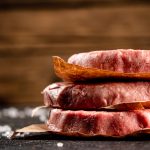
Color: Fresh beef should be bright red, lamb a light pinkish-red, and chicken a pale pink. Avoid meat with grey or brown discoloration.
-
Texture: Fresh meat should be firm to the touch, not slimy or sticky.
-
Smell: Good-quality halal meat should have a neutral or slightly sweet smell. Avoid any sour or strong odor.
Fresh meat not only tastes better but also cooks more evenly, ensuring a delicious meal every time.
3. Inspect Cuts and Fat Content
Different cuts of meat serve different purposes. When buying halal meat:
-
Choose Lean Cuts for Health: Lean cuts like chicken breast or beef sirloin are low in fat and ideal for everyday cooking.
-
Marbled Meat for Flavor: Moderate fat content in cuts like ribeye adds flavor and tenderness.
-
Bones and Skin: For stews or traditional dishes, bone-in cuts can enhance taste. Check that skin is clean and free from blemishes.
Selecting the right cut ensures your dishes are nutritious, flavorful, and suitable for your recipe.
4. Consider the Source and Handling
The quality of halal meat also depends on where and how it’s sourced.
-
Local vs Imported: Local meat may be fresher, while imported meat can be convenient but may have preservatives.
-
Hygiene Standards: Ensure the butcher maintains clean storage, cutting boards, and knives.
-
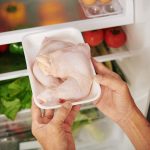
Storage Practices: Meat should be kept at the right temperature—refrigerated for short-term use or frozen for longer storage.
Proper handling prevents contamination and maintains both safety and flavor.
5. Check Packaging
If you buy packaged meat from a supermarket or online store:
-
Sealed Packaging: Vacuum-sealed or airtight packaging keeps meat fresh longer.
-
Expiry Date: Always check the “best before” or “use by” date.
-
Label Information: Ensure the label specifies halal certification, cut, weight, and source.
Good packaging reduces the risk of spoilage and ensures that the meat remains hygienic during transport.
6. Buy According to Your Needs
Planning your purchase is essential to prevent waste:
-
Daily Use: Buy small portions of fresh meat that you can cook within 1–2 days.
-
Special Occasions: For large gatherings, purchase larger quantities from trusted suppliers.
-
Freezing: If buying in bulk, portion and freeze the meat properly to maintain freshness.
Buying smartly ensures cost-efficiency, freshness, and less spoilage.
7. Trust Your Butcher
A reliable halal butcher is an invaluable resource:
-
Ask for Recommendations: Butchers can suggest the best cuts for your dishes.
-
Learn About Preparation: Some may provide marinated or pre-cut options.
-
Build a Relationship: Regular customers often get fresher meat and priority service.
A knowledgeable butcher can guide you toward high-quality meat that’s fresh, safe, and halal-certified.
Final Thoughts
Buying fresh halal meat is about more than following dietary rules—it’s about quality, taste, and ethical sourcing. By paying attention to certification, freshness, cut, packaging, and sourcing, you can ensure that every meal is safe, nutritious, and delicious.
For the best experience:
-
Choose certified halal suppliers.
-
Examine meat for color, texture, and smell.
-
Buy appropriate cuts for your recipe.
-
Consider storage and handling for long-lasting freshness.
With these tips, every halal meal you prepare will be fresh, flavorful, and aligned with your dietary values, making cooking and dining a truly enjoyable experience.