

For anyone who enjoys cooking with halal poultry, proper storage is crucial to maintain freshness, flavor, and food safety. Improper handling can lead to spoilage, unpleasant odors, or even foodborne illnesses. Whether you’re buying fresh chicken for daily meals or bulk halal poultry for later use, knowing the right storage techniques ensures your meat remains safe and delicious.
This guide provides detailed tips for storing halal poultry at home, including refrigeration, freezing, thawing, and best practices for long-term storage.
Understanding Halal Poultry
Halal poultry refers to chicken or other birds that have been slaughtered according to Islamic guidelines. Key points include:
-
Permissible Species: Only halal birds like chickens, ducks, and turkeys are allowed.
-
Proper Slaughtering: The throat is cut swiftly with a sharp knife while invoking Allah’s name.
-
Complete Blood Drainage: Blood is removed from the body to ensure the meat is clean and compliant.
These steps guarantee that the poultry is permissible, fresh, and ethically sourced, making proper storage even more important to preserve its quality.
1. Refrigeration for Short-Term Storage
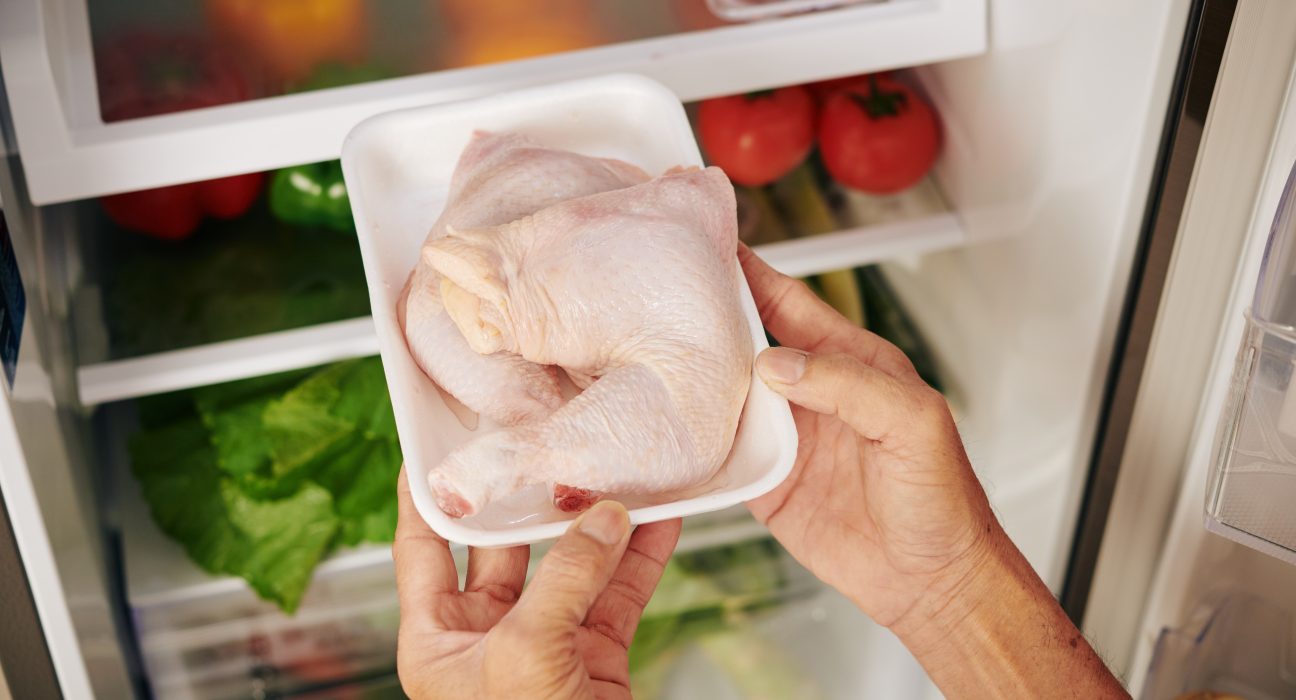
For daily use, refrigerating halal poultry is the most practical option.
Tips for Refrigeration:
-
Temperature: Keep your fridge at or below 4°C (39°F).
-
Packaging: Store poultry in airtight containers or sealed bags to prevent cross-contamination with other foods.
-
Placement: Place raw poultry on the lowest shelf of the fridge to avoid juices dripping onto other foods.
-
Duration: Fresh halal poultry can typically be stored in the fridge for 1–2 days.
Refrigeration slows bacterial growth and keeps your poultry safe and ready to cook without compromising taste.
2. Freezing for Long-Term Storage
If you purchase poultry in bulk or want to store it for longer periods, freezing is ideal.
Freezing Guidelines:
-
Wrap Properly: Use heavy-duty freezer bags, vacuum-sealed packs, or airtight containers. Remove as much air as possible to prevent freezer burn.
-
Labeling: Include the date of freezing so you can keep track of storage time.
-
Temperature: Set your freezer at -18°C (0°F) or lower for optimal preservation.
-
Duration: Whole chickens can be frozen for up to 12 months, while cut pieces are best used within 9 months.
Freezing preserves the flavor, texture, and nutritional value of halal poultry, making it a convenient option for meal planning.
3. Proper Thawing Techniques
Thawing poultry incorrectly can lead to bacterial growth. Safe thawing methods include:
-
Refrigerator Thawing: Place frozen poultry in the fridge for 12–24 hours depending on size. This is the safest method.
-
Cold Water Thawing: Submerge the sealed poultry in cold water, changing the water every 30 minutes. Cook immediately after thawing.
-
Microwave Thawing: Only use if you plan to cook the poultry immediately, as microwaving can partially cook some areas.
Avoid thawing at room temperature, as this encourages bacterial growth and can compromise both safety and taste.
4. Marinated Poultry Storage
If you marinate halal poultry before cooking:
-
Short-Term Marination: Keep in the fridge for up to 24 hours.
-
Freezing Marinated Poultry: You can freeze poultry in marinade, but ensure it’s in a sealed freezer-safe bag and consume within 3–4 months.
-
Label Clearly: Indicate both the freezing date and marinade type for easy identification.
Marinated poultry can enhance flavor, but safe storage is essential to prevent spoilage.
5. Handling Hygiene
Proper handling is as important as temperature control.
-
Wash Hands and Surfaces: Always wash hands before and after touching raw poultry. Clean cutting boards, knives, and surfaces thoroughly.
-
Avoid Cross-Contamination: Keep raw poultry separate from ready-to-eat foods like salads or fruits.
-
Use Clean Containers: Avoid using containers that previously stored other meats unless properly sanitized.
Good hygiene minimizes the risk of foodborne illness and ensures freshness and quality.
6. Signs of Spoiled Poultry
Even with proper storage, always check poultry before cooking:
-
Odor: A sour or ammonia-like smell indicates spoilage.
-
Color: Fresh chicken is pale pink; grey or greenish hues are warning signs.
-
Texture: Slimy or sticky surface suggests the meat is no longer safe.
If any of these signs appear, discard the poultry immediately to prevent health risks.
7. Best Practices for Storing Halal Poultry
-
Buy only what you can use within a few days if not freezing.
-
Freeze in portion sizes suitable for your meals.
-
Rotate stock using the first-in, first-out (FIFO) method to ensure older poultry is used first.
-
Keep a thermometer in your fridge and freezer to monitor temperatures accurately.
-
Avoid refreezing thawed poultry, as this affects taste and texture.
Final Thoughts
Proper storage of halal poultry is essential for food safety, freshness, and taste. By following refrigeration, freezing, thawing, and handling guidelines, you can enjoy poultry dishes that are flavorful, nutritious, and safe.
Whether preparing a weeknight dinner or a festive meal, knowing how to store halal poultry ensures that your meat retains its quality, tenderness, and ethical compliance. With these practices, every meal you cook with halal poultry will be delicious, wholesome, and worry-free.