

Spices are an essential part of halal cooking and play a major role in creating rich, aromatic, and flavorful meals. Across many halal cuisines—such as Middle Eastern, South Asian, Turkish, and North African—spices are used to enhance both simple and complex dishes. Whether you are preparing grilled meats, rice dishes, soups, or vegetables, the right use of spices can transform ordinary ingredients into extraordinary meals.
While most spices are naturally halal, using them correctly is important for achieving the best taste and maintaining food quality. Understanding how to select, combine, and store spices will help you make the most of your halal cooking.
This guide provides practical tips to help you use spices effectively in your kitchen.
Choose High-Quality Spices
The quality of spices greatly affects the flavor of your food. Fresh and high-quality spices provide stronger aroma and taste compared to older or low-quality products.
When buying spices:
-
Choose trusted brands or reputable spice shops.
-
Check packaging dates and expiration dates.
-
Avoid spices that appear dull in color or have little aroma.
-
Whenever possible, choose whole spices instead of pre-ground ones.
Whole spices tend to stay fresh longer and can be ground when needed, providing better flavor.
Store Spices Properly
Proper storage is important for preserving the flavor and freshness of spices. Exposure to heat, moisture, or sunlight can cause spices to lose their aroma over time.
To store spices correctly:
-
Keep them in airtight containers.
-
Store them in a cool, dark place such as a kitchen cabinet.
-
Avoid placing them near the stove where heat and steam can affect quality.
-
Label containers with purchase dates to track freshness.
Most ground spices stay fresh for about six months to a year, while whole spices can last even longer.
Use the Right Spice Combinations
Halal cooking often relies on combining spices to create balanced flavors. Instead of using just one spice, try blending different spices together to enhance your dishes.
Some popular spice combinations include:
-
Cumin, coriander, and turmeric for curries and rice dishes
-
Paprika, garlic, and black pepper for grilled chicken or meat
-
Cinnamon and cardamom for sweet desserts or flavored rice
-
Chili powder and cumin for spicy marinades
Experimenting with different spice blends allows you to create unique and delicious meals.
Toast Whole Spices for Better Flavor
One effective technique used in many cuisines is toasting whole spices before using them. Lightly heating spices in a dry pan releases their natural oils and enhances their aroma.
To toast spices:
-
Place a small pan on medium heat.
-
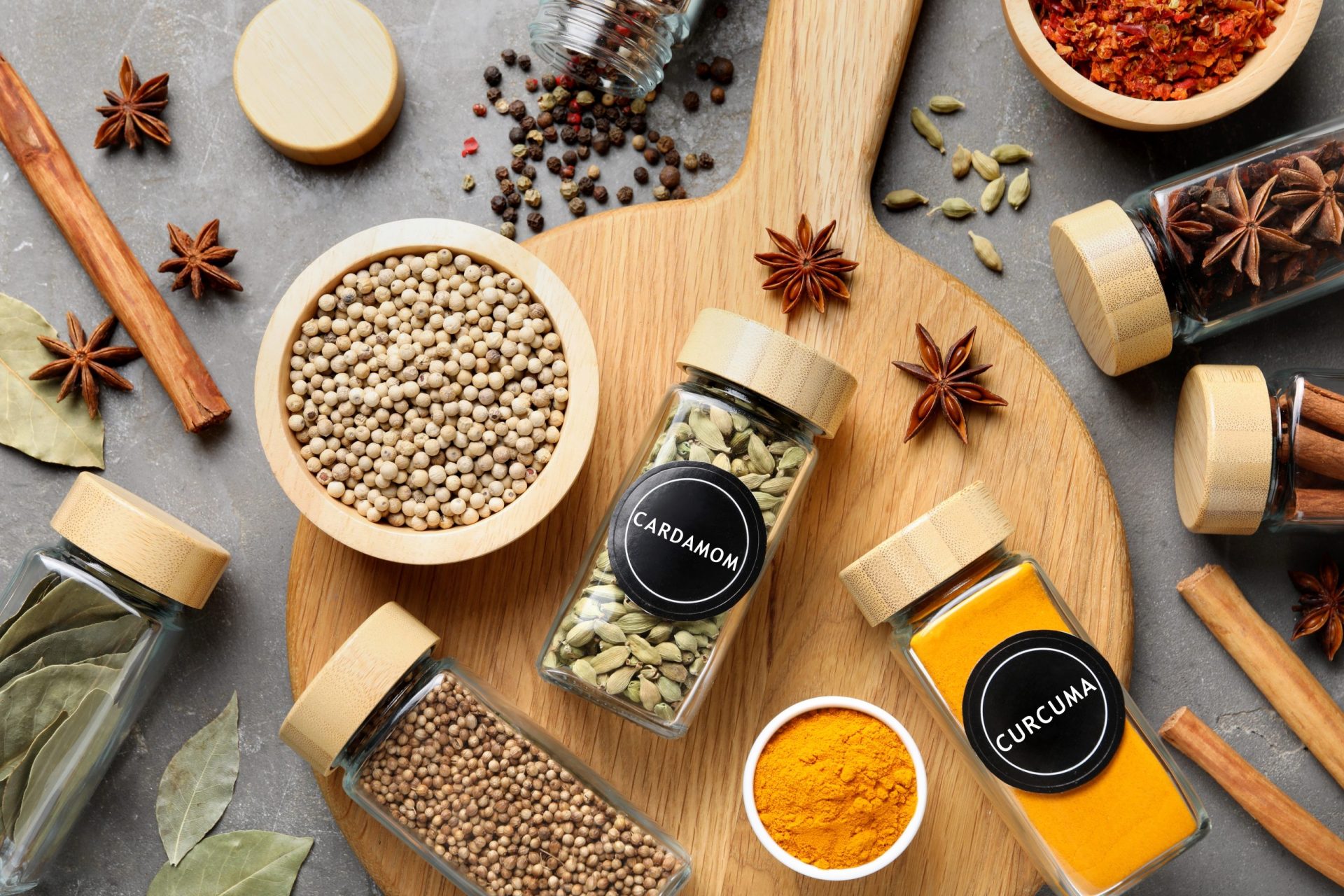
Add whole spices such as cumin seeds, coriander seeds, or cardamom pods.
-
Stir gently for about 1–2 minutes until fragrant.
-
Remove from heat and grind if needed.
This simple step can significantly improve the flavor of your dishes.
Add Spices at the Right Time
The timing of adding spices can change how they affect the dish. Some spices should be added early in the cooking process, while others work better when added later.
For example:
-
Whole spices like cinnamon sticks or bay leaves are often added at the beginning of cooking to release their flavor gradually.
-
Ground spices such as turmeric, cumin, or paprika are typically added during cooking to blend with the ingredients.
-
Fresh herbs and delicate spices may be added at the end to preserve their aroma.
Understanding when to add spices helps maintain their flavor and prevents bitterness.
Balance Spices Carefully
Using too many spices or excessive amounts can overpower a dish. A balanced approach is essential to maintain harmony between ingredients.
Tips for balance include:
-
Start with small quantities and adjust gradually.
-
Taste the dish as it cooks.
-
Combine strong spices with milder ones.
-
Avoid adding too many different spices at once.
Balanced seasoning ensures that every ingredient contributes to the overall flavor.
Use Spices in Marinades
Spices are especially useful in halal marinades for meat, poultry, or vegetables. Marinades allow spices to penetrate the ingredients, enhancing flavor before cooking.
A simple marinade may include:
-
Olive oil or yogurt
-
Garlic and lemon juice
-
Spices such as cumin, paprika, and black pepper
Marinating meat for a few hours—or overnight—helps create tender and flavorful dishes.
Experiment with Global Halal Cuisines
Halal cooking includes a wide range of culinary traditions. Each region uses spices in different ways.
For example:
-
Middle Eastern dishes often use cumin, sumac, and za’atar.
-
South Asian cuisine frequently includes turmeric, garam masala, and chili powder.
-
North African cooking uses spices such as cinnamon, coriander, and paprika.
Trying spices from different cultures can expand your cooking skills and introduce new flavors into your kitchen.
Final Thoughts
Spices are the foundation of flavorful halal cooking. By choosing high-quality spices, storing them properly, using the right combinations, and adding them at the correct time, you can greatly improve the taste of your meals.
Simple techniques such as toasting spices, balancing flavors, and using marinades can make a significant difference in your dishes. With practice and experimentation, you will learn how to create rich and aromatic halal meals that are both delicious and satisfying.
Mastering the use of spices not only enhances your cooking skills but also allows you to explore the diverse and vibrant world of halal cuisine from the comfort of your own kitchen.