

Spices are the heart of every delicious meal. In many halal cuisines—whether Middle Eastern, South Asian, Turkish, or North African—spices play a major role in creating rich flavors and aromatic dishes. Having the right halal spices in your kitchen allows you to prepare authentic meals while ensuring that every ingredient follows halal dietary guidelines.
Although most spices are naturally halal, it is still important to choose pure spices without alcohol-based additives, non-halal flavorings, or cross-contamination during processing. By stocking your kitchen with essential halal spices, you can easily elevate everyday meals and explore a wide variety of traditional recipes.
This guide highlights some of the must-have halal spices every kitchen should include.
Why Spices Are Important in Halal Cooking
Spices do more than add flavor. They also bring health benefits and depth to meals. In halal cooking, spices help transform simple ingredients like chicken, rice, or vegetables into flavorful dishes.
Key benefits of using spices include:
-
Enhancing taste and aroma
-
Adding color and richness to food
-
Providing natural health benefits
-
Allowing variety in everyday cooking
With the right combination of spices, even a simple dish can become a memorable meal.
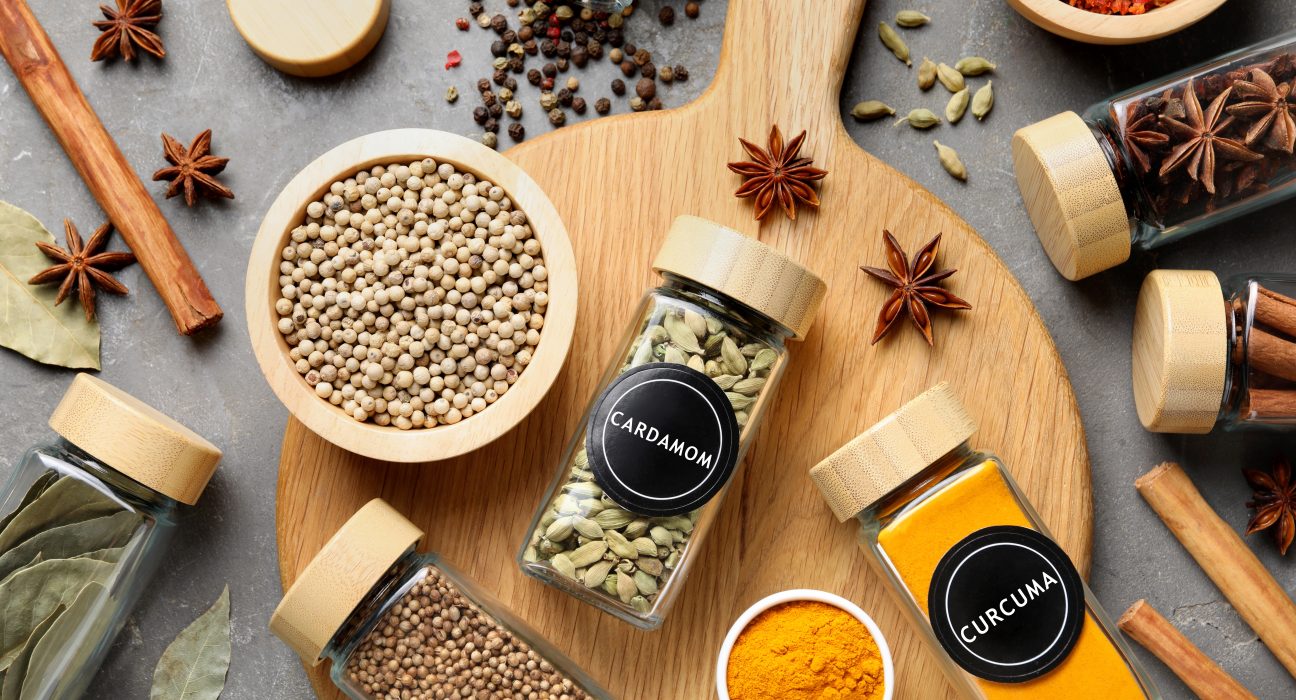
1. Turmeric
Turmeric is a bright yellow spice commonly used in South Asian and Middle Eastern cooking. It has a warm, slightly earthy flavor and is known for its strong color.
Common uses include:
-
Chicken and vegetable curries
-
Rice dishes like biryani
-
Lentil soups and stews
Turmeric also contains antioxidants and is often valued for its anti-inflammatory properties, making it both flavorful and beneficial for health.
2. Cumin
Cumin is one of the most essential spices in halal cuisine. It has a warm, nutty flavor that adds depth to many savory dishes.
You can use cumin in:
-
Meat marinades
-
Rice and grain dishes
-
Lentil recipes
-
Kebab seasoning
Ground cumin and whole cumin seeds are both useful in cooking, depending on the recipe.
3. Coriander
Coriander seeds and ground coriander provide a mild, citrusy flavor that balances stronger spices. It is widely used in halal cooking across different cultures.
Popular dishes using coriander include:
-
Curry powders
-
Meat rubs
-
Vegetable stir-fries
-
Marinades for grilled chicken
Coriander works especially well when combined with cumin and turmeric.
4. Paprika
Paprika adds color and mild sweetness to many dishes. Depending on the variety, paprika can be sweet, smoky, or slightly spicy.
Common uses include:
-
Grilled chicken seasoning
-
Rice dishes
-
Roasted vegetables
-
Sauces and marinades
Paprika is often used to enhance both the appearance and flavor of halal meals.
5. Black Pepper
Black pepper is one of the most widely used spices around the world. It adds a sharp, slightly spicy flavor to both simple and complex dishes.
You can add black pepper to:
-
Soups and stews
-
Meat marinades
-
Egg dishes
-
Salad dressings
Freshly ground black pepper often provides the best flavor and aroma.
6. Cinnamon
Cinnamon is commonly associated with desserts, but it is also used in savory halal dishes. It adds warmth and subtle sweetness to food.
Savory uses include:
-
Biryani and rice dishes
-
Moroccan-style stews
-
Meat curries
Sweet uses include:
-
Cookies and cakes
-
Tea or coffee flavoring
-
Sweet pastries
A small amount of cinnamon can significantly enhance a dish.
7. Cardamom
Cardamom is a highly aromatic spice used in both sweet and savory recipes. It has a strong, slightly sweet flavor that adds complexity to dishes.
It is commonly used in:
-
Biryani and rice dishes
-
Spiced tea
-
Desserts and baked goods
-
Middle Eastern sweets
Whole cardamom pods are often used in cooking to infuse flavor.
8. Chili Powder
For those who enjoy spicy food, chili powder is an essential spice. It adds heat and depth to many halal dishes.
Typical uses include:
-
Curries
-
Fried chicken seasoning
-
Sauces and marinades
-
Spicy rice dishes
You can adjust the amount depending on your preferred spice level.
Tips for Buying Halal Spices
When purchasing spices, keep these tips in mind:
-
Choose pure spices without unnecessary additives.
-
Look for halal-certified brands if available.
-
Buy from trusted stores that handle spices properly.
-
Check packaging for freshness and expiration dates.
-
Store spices in airtight containers away from heat and sunlight.
Proper storage helps maintain flavor and aroma for longer periods.
Final Thoughts
A well-stocked spice collection is essential for anyone who enjoys cooking halal meals at home. Spices such as turmeric, cumin, coriander, paprika, black pepper, cinnamon, cardamom, and chili powder can transform simple ingredients into flavorful dishes.
By choosing high-quality halal spices and learning how to combine them effectively, you can create meals that are not only delicious but also authentic and satisfying. Whether you are preparing everyday dinners or special family meals, these must-have spices will help bring rich flavor and tradition into your kitchen.