

In recent years, the halal food market has experienced remarkable growth, evolving from a niche sector into a mainstream global industry. What began as a way to meet the dietary needs of Muslim consumers has transformed into a multi‑billion‑dollar market with wide‑ranging economic influence. With increasing demand from Muslim populations, rising awareness about ethical and hygienic food standards, and expanding consumer preferences for quality products, the halal food market is now a major force in the global food economy.
In this blog, we’ll explore the key drivers of halal food market growth, emerging trends, global opportunities, and what this expansion means for businesses and consumers alike.
What Is the Halal Food Market?
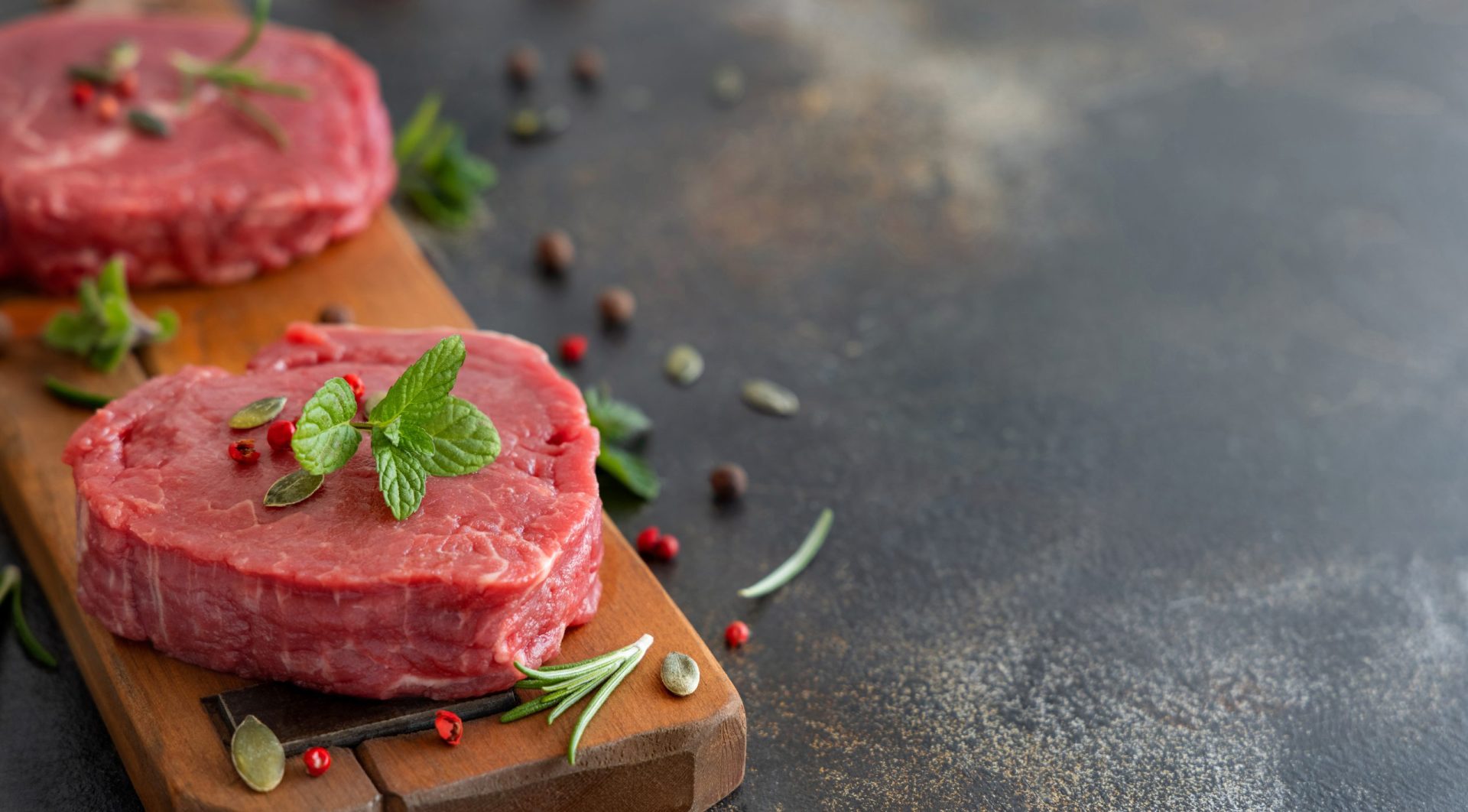
The term “halal” refers to food and beverages that are permissible under Islamic dietary laws. For meat and poultry, this includes specific slaughtering and processing practices; for other products, it means avoiding prohibited substances such as pork, alcohol, and non‑halal animal by‑products.
Traditionally associated with Muslim consumers, halal food today includes a wide range of products, including:
-
Processed and ready‑to‑eat meals
-
Beverages and dairy products
-
Snacks and confectionery
-
Health and lifestyle foods
-
Ingredients and food additives
While halal demand remains strong in Muslim‑majority countries, its reach now extends to non‑Muslim markets due to quality, ethical, and safety considerations.
The Global Muslim Population: A Key Growth Driver
One of the main reasons for the halal food market’s rapid expansion is the fast‑growing global Muslim population. According to demographic projections:
-
Muslims are one of the world’s fastest‑growing religious groups.
-
Countries in the Middle East, Southeast Asia, Africa, and South Asia continue to show strong population increases.
With more than 1.8 billion followers of Islam worldwide, demand for halal products has naturally risen. As Muslim consumers gain greater purchasing power, their preferences increasingly shape food production, retail offerings, and restaurant menus globally.
Expansion into Non‑Muslim Markets
Halal has moved beyond religious necessity to become a marker of quality, hygiene, and transparency that appeals to a broader consumer base. In countries like the United States, the United Kingdom, Australia, and the European Union, halal food is no longer confined to ethnic or niche markets.
Several factors contribute to this trend:
-
Perceived cleanliness and safety: Many non‑Muslim consumers associate halal certification with rigorous standards and ethical animal treatment.
-
Rising multiculturalism: Growing Muslim communities in Western cities create demand for halal food in mainstream retail and dining.
-
Globalization of food brands: International food companies are launching halal variants to capture new markets.
As a result, halal products are now found in major supermarkets, fast‑food chains, and online platforms worldwide.
Retail and Foodservice Growth
The halal food market is not limited to packaged products — it is also thriving in the retail and foodservice sectors:
-
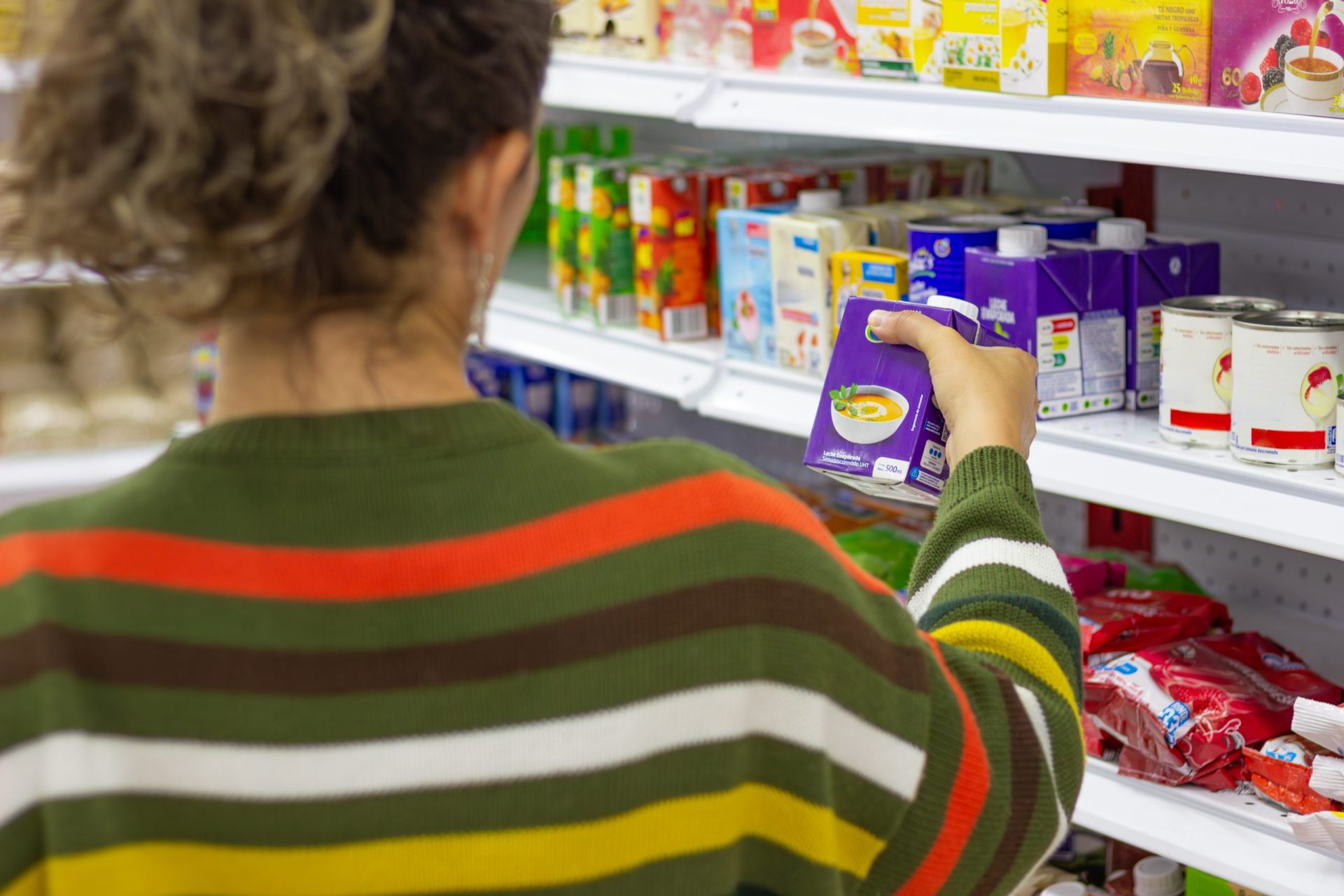
Supermarkets and hypermarkets now dedicate halal sections for meat, dairy, and convenience foods.
-
Restaurants and cafes increasingly offer halal menu options or entire halal‑certified outlets.
-
Food delivery platforms cater to halal preferences in urban markets with dedicated filters.
Major global chains, from international fast‑food brands to local restaurants, are adapting menus to offer halal options, reflecting both consumer demand and a shift toward more inclusive dining experiences.
Halal Certification: The Backbone of Trust
A fundamental element of halal market growth is halal certification. Certification provides assurance that products meet Islamic dietary laws and are produced, processed, and handled accordingly.
Key components of halal certification include:
-
Verified sources of ingredients
-
Compliance with halal slaughter methods (for meat and poultry)
-
Strict hygiene and cross‑contamination prevention
-
Transparent supply chain documentation
With credible halal certification, products can cross borders more easily, gaining acceptance in international markets and building trust with consumers.
Halal Food Innovation and Diversification
Halal food production is no longer just about traditional staples — it is increasingly innovative and diversified. Manufacturers and foodservice brands are developing halal versions of:
-
Plant‑based protein products
-
Ready‑to‑eat meals and meal kits
-
Functional foods and health foods
-
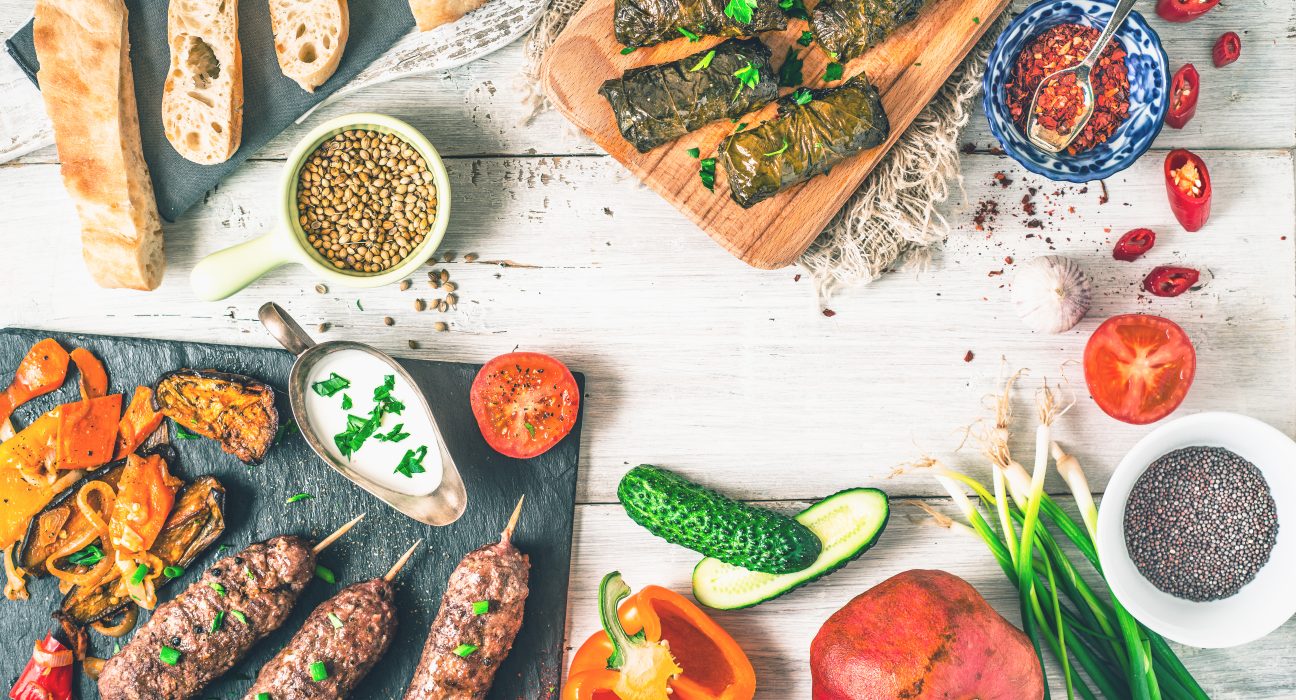
Ethnic and fusion cuisine
These innovations appeal not only to Muslim consumers but also to people seeking premium, convenient, and culturally diverse food choices.
Economic Impact and Investment Opportunities
The global halal food market’s growth has significant economic implications:
-
Job creation in food production, certification, retail, and logistics
-
Cross‑border trade expansion as halal products enter new markets
-
Increased investment in production facilities, supply chain infrastructure, and R&D
-
Boost to tourism as halal food availability influences travel decisions
Governments in several countries are also promoting halal markets as part of economic diversification strategies, viewing halal certification as an export strength.
Challenges and Future Outlook
Despite its rapid growth, the halal food market faces challenges:
-
Standardization issues: Different certification standards in different regions can create confusion.
-
Supply chain transparency: Ensuring integrity across sourcing, processing, and distribution remains critical.
-
Consumer education: Some markets lack awareness of what halal certification entails.
However, the future remains bright. With continued globalization, technological integration (like blockchain for supply chain transparency), and evolving consumer taste preferences, the halal food market is expected to grow robustly in the coming decade.
Final Thoughts
The global halal food market has transitioned from a niche segment to a major player in the global food economy. Driven by demographic trends, cross‑cultural appeal, diversified offerings, and increasing consumer demand for quality and ethical foods, halal products are now a fixture in both Muslim‑majority and non‑Muslim countries.
For food businesses, this growth presents significant opportunity — from innovation and market expansion to deeper engagement with a diverse customer base. For consumers, the expansion of halal food means greater choice, quality assurance, and cultural inclusivity.
As the halal food market continues to expand, it not only strengthens the economic landscape but also champions a standard of food that values ethics, transparency, and global accessibility.