

For Muslim consumers, ensuring that the food and products they purchase are halal is essential. Halal foods comply with Islamic dietary laws, meaning they do not contain prohibited ingredients such as pork, alcohol, or non-halal animal by-products. However, in today’s globalized market, many products are processed, packaged, or sourced in ways that make it difficult to determine halal compliance. Learning how to identify, verify, and avoid non-halal products is crucial for maintaining dietary integrity.
This guide explains practical strategies for shopping, reading labels, and verifying halal products so you can confidently make halal-conscious choices.
1. Understand What Halal Means
Before shopping, it’s important to understand what qualifies as halal and what is prohibited (haram).
Key principles include:
-
Prohibited meats: Pork and its derivatives are strictly forbidden.
-
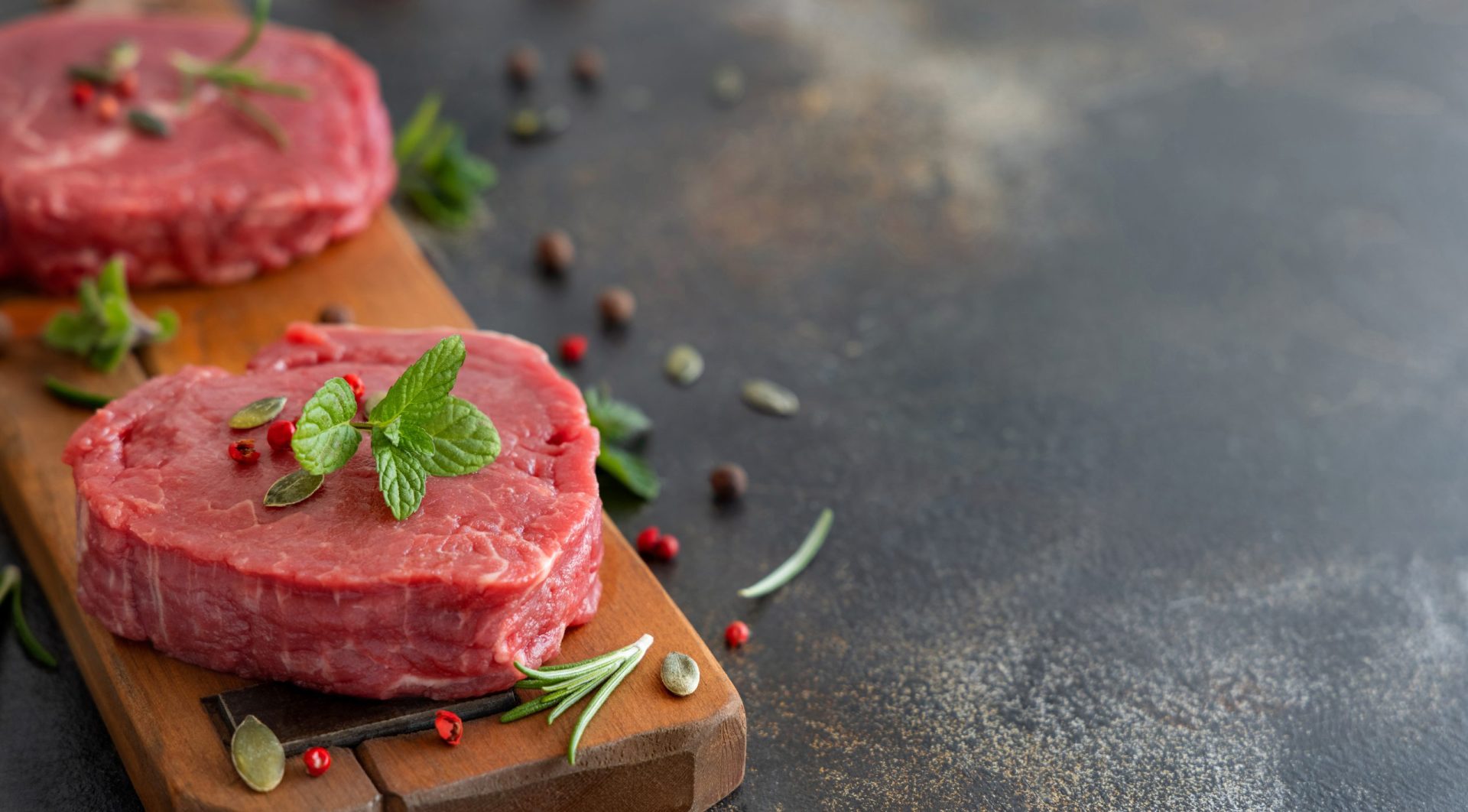
Properly slaughtered animals: Meat and poultry must come from animals slaughtered according to Islamic law (Zabiha).
-
Avoiding alcohol and intoxicants: Foods containing alcohol or intoxicating substances are haram.
-
Ingredient awareness: Gelatin, certain emulsifiers, enzymes, and flavorings may be derived from non-halal sources.
Understanding these rules gives you a strong foundation for identifying halal vs non-halal products while shopping.
2. Look for Halal Certification
One of the simplest ways to avoid non-halal products is to buy certified halal items.
Tips:
-
Look for official halal logos from recognized certification authorities.
-
Verify the certifying body’s credibility. Well-known certifiers include JAKIM (Malaysia), IFANCA (USA), HFA (UK), among others.
-
Some products may include QR codes or batch numbers that allow you to verify certification online.
Certified products provide peace of mind that the product has been inspected and approved according to halal standards.
3. Read Labels Carefully
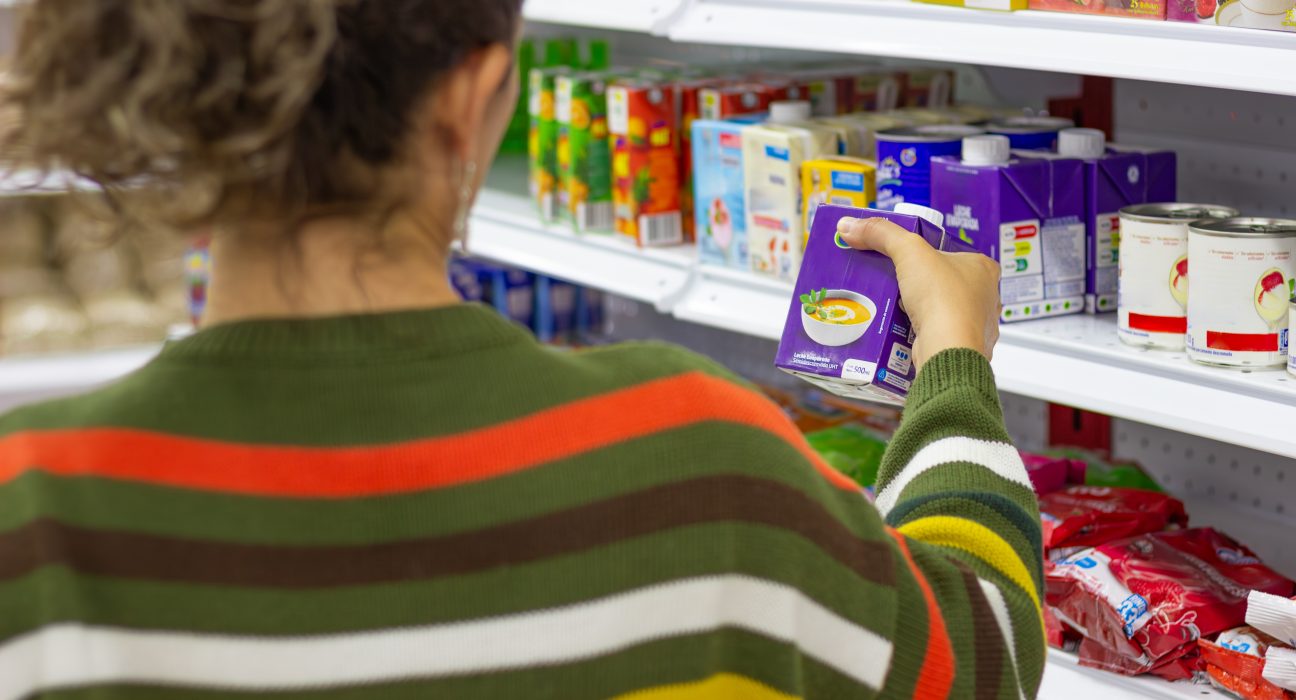
Many products do not carry halal certification, so reading labels is crucial.
What to look for:
-
Avoid ingredients derived from pork, such as gelatin, enzymes, or certain emulsifiers.
-
Be cautious of alcohol-containing ingredients, including flavor extracts.
-
Check for animal-derived ingredients in processed foods like cheese, yogurt, or sauces.
-
Watch out for ambiguous terms such as “natural flavors” or “enzymes,” which may have non-halal sources.
Label reading allows you to spot potential haram ingredients before purchase, even when certification is absent.
4. Know Your Trusted Brands and Suppliers
Familiarity with brands and suppliers makes it easier to avoid non-halal products.
Strategies:
-
Make a list of halal-certified brands you trust.
-
Purchase meat, poultry, and processed foods from suppliers who consistently follow halal practices.
-
Ask local retailers about their sourcing and halal verification.
Over time, this knowledge helps you shop quickly and safely without constantly checking every product.
5. Avoid Cross-Contamination
Even halal products can become non-compliant if they come into contact with haram items.
Tips to prevent cross-contamination:
-
Avoid bulk bins that may mix products from halal and non-halal sources.
-
Be cautious of shared utensils or cutting equipment in delis or butcher shops.
-
Keep halal and non-halal foods separate at home to maintain compliance.
Being mindful of cross-contamination ensures that your halal products remain pure from purchase to consumption.
6. Use Technology for Verification
Digital tools make avoiding non-halal products easier than ever.
Useful apps and tools:
-
Halal scanners: Apps that allow you to scan barcodes to check halal status.
-
Certification websites: Some certifiers maintain online databases of certified products.
-
Community forums and reviews: Halal communities often share information about trusted products and brands.
Technology helps you make informed choices, especially when traveling or shopping in unfamiliar markets.
7. Ask Questions When Dining Out
When shopping at restaurants or eateries, it’s essential to verify halal compliance directly.
Questions to ask:
-
Is the meat Zabiha-certified?
-
Are the ingredients and cooking oils free from non-halal additives?
-
Is there a risk of cross-contamination with non-halal foods?
Asking questions ensures that you avoid non-halal dishes while enjoying meals outside your home.
8. Be Cautious with Imported or Processed Foods
Some imported products may not clearly indicate halal status.
Tips:
-
Check for halal certification from recognized authorities in the country of origin.
-
Research ingredient sourcing if the product contains meat, gelatin, or additives.
-
Avoid products with vague labeling like “animal-based flavors” or “enzymes” without clarification.
Being cautious prevents unintentional consumption of non-halal products.
9. Maintain a Halal Shopping Routine
Developing a consistent halal shopping routine helps reduce mistakes.
-
Shop at trusted stores or halal sections.
-
Make a checklist of ingredients to avoid.
-
Keep a running list of verified halal products at home.
A routine simplifies your shopping experience and ensures that halal compliance becomes second nature.
Final Thoughts
Avoiding non-halal products requires awareness, diligence, and smart strategies. By understanding halal principles, relying on certification, reading labels carefully, choosing trusted brands, and using technology for verification, you can maintain dietary compliance confidently.
Halal shopping is not just about following religious obligations—it’s also about making informed, ethical, and health-conscious choices. With careful planning and awareness, you can avoid non-halal products and enjoy peace of mind with every purchase.