


Certification Guides Halal Certification & Industry

Steps to Certify Your Food Business as Halal

For food business owners, halal certification is more than a label—it is a mark of trust, quality, and compliance with Islamic dietary laws. Halal certification not only assures Muslim consumers that your products are permissible to eat, but it also opens doors to a growing global market. Whether you run a restaurant, catering service, or packaged food business, understanding the certification process is crucial.


Certification Guides Halal Certification & Industry

Common Challenges in Halal Certification

Halal certification is a vital step for food businesses seeking to cater to Muslim consumers. It ensures that food products and services comply with Islamic dietary laws, covering ingredients, processing methods, storage, and hygiene. While obtaining halal certification can boost credibility and attract a wider customer base, many businesses encounter challenges during the process. Understanding these common hurdles can help restaurants, catering services, and food manufacturers prepare better and streamline certification.

Halal Certification & Industry Halal Industry Trends

Global Growth of the Halal Food Market

In recent years, the halal food market has experienced remarkable growth, evolving from a niche sector into a mainstream global industry. What began as a way to meet the dietary needs of Muslim consumers has transformed into a multi‑billion‑dollar market with wide‑ranging economic influence. With increasing demand from Muslim populations, rising awareness about ethical and hygienic food standards, and expanding consumer preferences for quality products, the halal food market is now a major force in the global food economy.

Halal Certification & Industry Halal Industry Trends

Popular Halal Products Gaining Worldwide Attention

In recent years, the halal food and lifestyle market has grown far beyond its traditional boundaries. Once viewed primarily as a niche sector serving Muslim consumers, halal products are now gaining global traction among diverse audiences who value ethical sourcing, quality assurance, and high nutritional standards. Today’s halal offerings span beyond meat to include snacks, beverages, cosmetics, pharmaceuticals, and even fashion—making halal a global lifestyle choice rather than just a dietary requirement.

Halal Certification & Industry Halal Industry Trends

Future Trends in the Halal Food Industry

The halal food industry has evolved far beyond its traditional scope, expanding globally to meet the needs of Muslim consumers and a growing base of non-Muslim buyers seeking ethical, clean, and high-quality food. As the global halal market continues to grow, businesses, investors, and consumers are keen to understand what the future holds. Emerging trends indicate not only technological innovation and product diversification, but also a stronger focus on sustainability, health, and convenience.

Common Mistakes & Misconceptions Halal Certification & Industry

How to Avoid Buying Non-Halal Products

For Muslim consumers, ensuring that the food and products they purchase are halal is essential. Halal foods comply with Islamic dietary laws, meaning they do not contain prohibited ingredients such as pork, alcohol, or non-halal animal by-products. However, in today’s globalized market, many products are processed, packaged, or sourced in ways that make it difficult to determine halal compliance. Learning how to identify, verify, and avoid non-halal products is crucial for maintaining dietary integrity.

Common Mistakes & Misconceptions Halal Certification & Industry

Common Misconceptions About Halal Meat

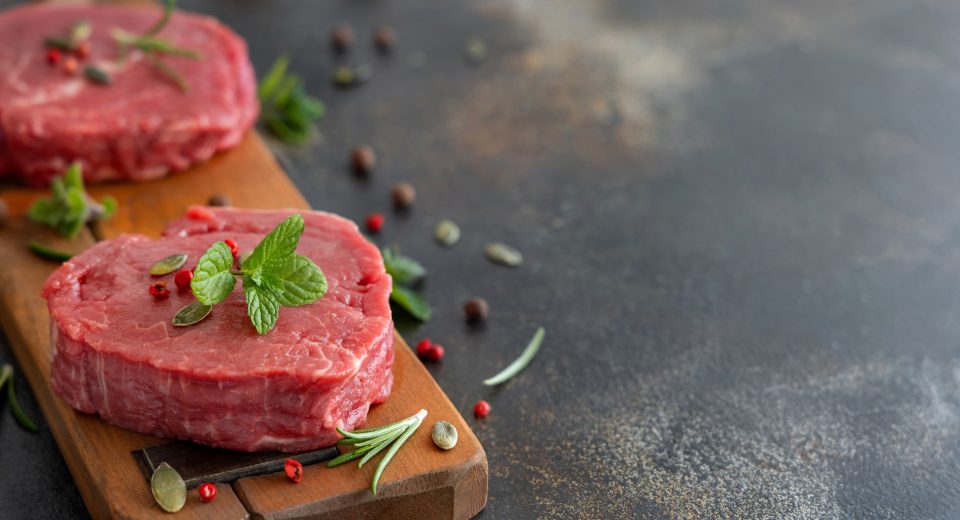
Halal meat is a cornerstone of the Muslim diet, prepared according to Islamic dietary laws that ensure ethical treatment, hygiene, and religious compliance. Despite its long history, halal meat is often misunderstood by both non-Muslims and even some within the Muslim community. Misconceptions about halal meat can lead to confusion, misinformation, and unwarranted skepticism about its quality, taste, and nutritional value.

Eid & Ramadan Recipes Halal for Special Occasions

Top Halal Recipes for Eid Celebrations

Eid is a time of joy, celebration, and family gatherings, and food plays a central role in marking the occasion. Preparing halal dishes ensures that your meals comply with Islamic dietary laws while delighting guests with flavorful, festive creations. Whether you’re hosting a large family gathering or enjoying a cozy meal, having a repertoire of halal recipes for Eid can make the celebration extra special.

Eid & Ramadan Recipes Halal for Special Occasions

Delicious Ramadan Iftar Ideas

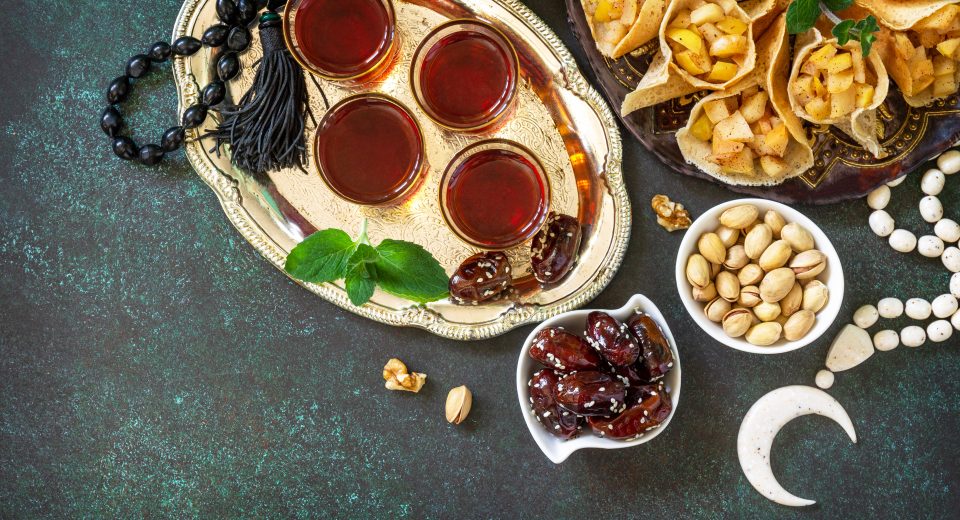
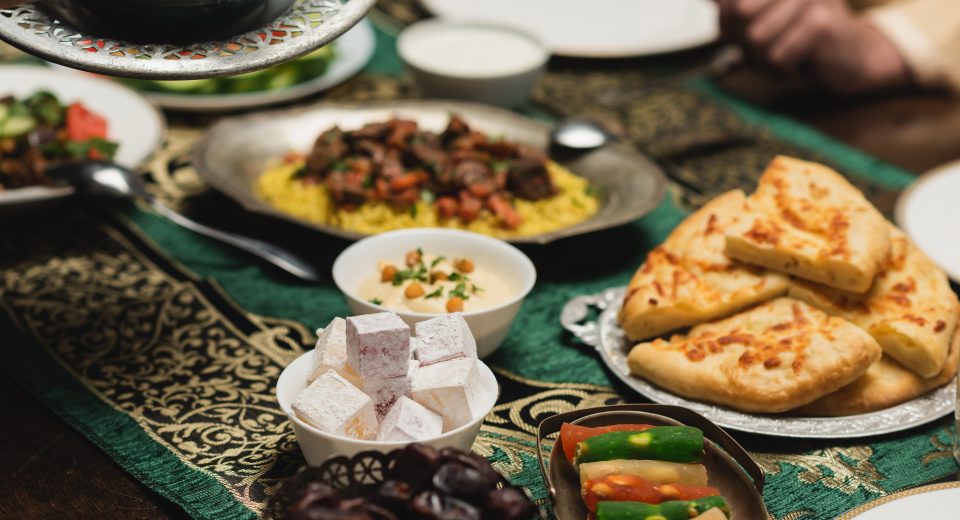
Ramadan is a month of spiritual reflection, fasting, and family togetherness. One of the most anticipated moments of the day is Iftar, the meal that breaks the fast at sunset. Preparing a delicious and balanced Iftar is important to replenish energy, maintain nutrition, and create a sense of celebration after a day of fasting. With halal ingredients and thoughtful recipes, you can enjoy Iftar that is both satisfying and wholesome.