


In recent years, the halal food and lifestyle market has grown far beyond its traditional boundaries. Once viewed primarily as a niche sector serving Muslim consumers, halal products are now gaining global traction among diverse audiences who value ethical sourcing, quality assurance, and high nutritional standards. Today’s halal offerings span beyond meat to include snacks, beverages, cosmetics, pharmaceuticals, and even fashion—making halal a global lifestyle choice rather than just a dietary requirement.
This blog explores some of the most popular halal products gaining worldwide attention, why they appeal to broad consumer groups, and how they reflect shifting trends in global markets.
What Makes Halal Products Popular?
Before diving into specific products, it’s important to understand why halal products are resonating with consumers worldwide:
-
Ethical and humane standards: Halal certification requires careful animal treatment and hygienic processing.
-
Clean and transparent labeling: Consumers can trace sourcing and ingredients easily.
-
Health and safety perceptions: Many believe halal products—especially food—are cleaner and safer.
-
Growing Muslim population: With over 1.8 billion Muslims globally, demand for halal products is rising.
-
Cultural diversity: Multicultural societies encourage exploration of halal culinary and lifestyle options.
With these drivers in place, global markets are embracing halal offerings in exciting and diverse ways.
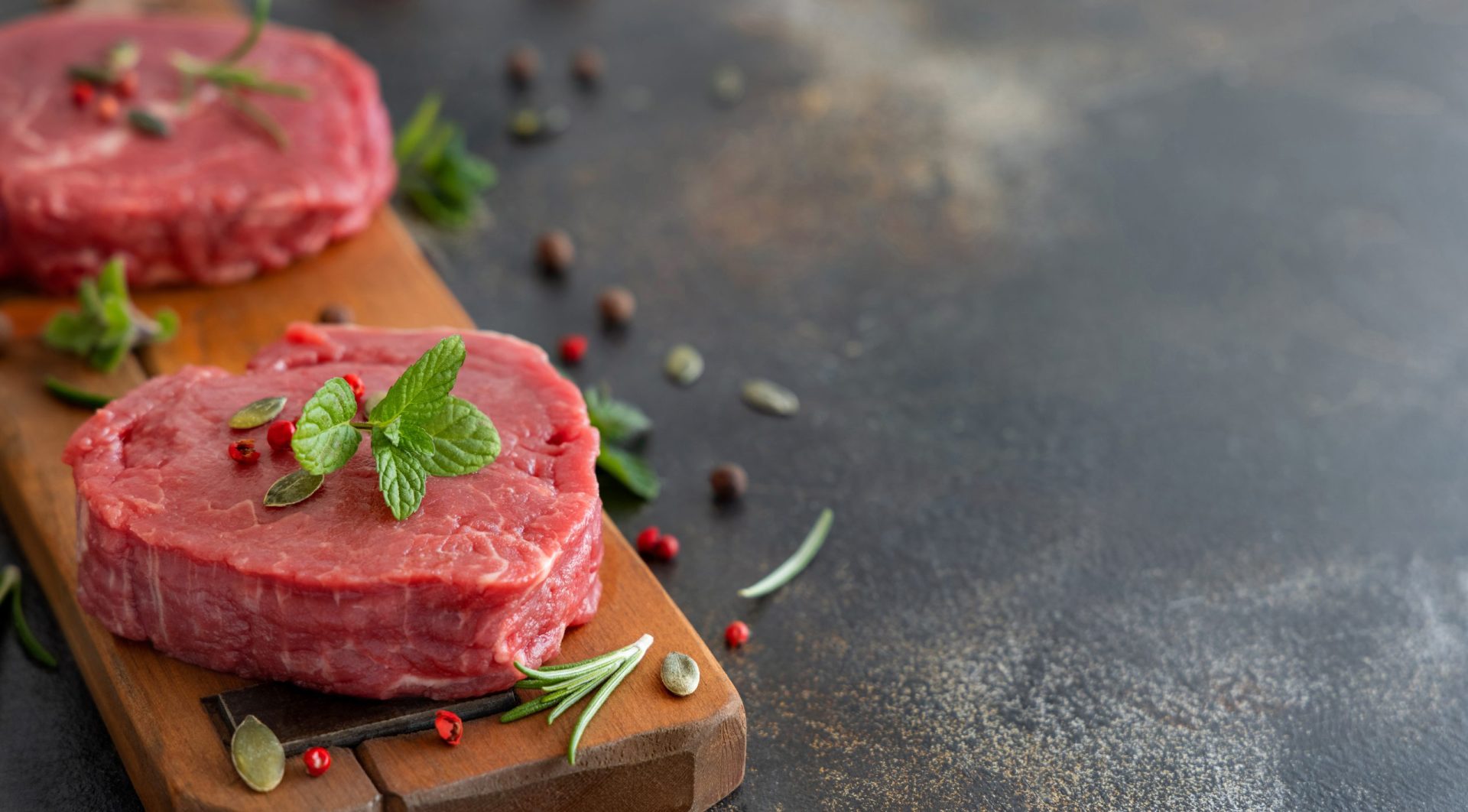
1. Halal Meat and Poultry
Halal meat remains the most iconic product in the halal market, but its reach is expanding globally.
Why it’s popular:
-
Certified quality: Only permissible animals slaughtered according to Islamic law are used.
-
Perceived hygiene: Blood is properly drained and the meat is handled with strict hygiene.
-
Global distribution: Halal meat is now available in mainstream supermarkets and online stores in Europe, North America, and Asia.
Consumers — Muslim and non‑Muslim alike — appreciate halal meat for its ethical sourcing and perceived freshness, making it a staple product with cross‑cultural appeal.
2. Halal Ready‑to‑Eat and Convenience Foods
Busy lifestyles have led to booming demand for halal ready‑to‑eat (RTE) meals, snacks, and packaged foods.
Popular categories include:
-
Frozen halal meals (biryani, grilled chicken, meat stews)
-
Halal-certified snacks (chips, crackers, nuts)
-
Instant noodles and microwavable cuisines
-
Frozen halal pizza and burgers
These products attract students, professionals, travelers, and families who seek quick halal solutions without compromising quality or dietary compliance. Supermarkets and online retailers now dedicate entire halal aisles to meet this demand.
3. Halal Desserts and Sweet Treats
Halal desserts have carved out a strong global niche with unique products that appeal across cultures.
Examples gaining worldwide attention:
-
Halal chocolate bars and gourmet sweets
-
Halal marshmallows and confectionery
-
Packaged halal cakes and cookie assortments
-
Traditional sweets like baklava and kunafa
With community festivals, social gatherings, and tea‑time culture becoming universal, halal desserts are no longer just regional treats — they’re international favorites.
4. Halal Beverages
Halal compliance extends to drinks, including:
-
Halal‑certified juices and smoothies
-
Non‑alcoholic sparkling beverages
-
Halal syrups and mixers
-
Halal coffee and tea blends
These products appeal to a broad audience that seeks alcohol‑free lifestyle options, whether for health, culture, or religious reasons. Non‑alcoholic beverages with halal certification are particularly popular during holidays and events where inclusivity matters.
5. Halal Beauty and Personal Care
Halal certification isn’t just for food — it’s also booming in the beauty and personal care industry.
Halal cosmetic trends include:
-
Halal‑certified makeup (lipsticks, foundations, mascaras)
-
Halal skincare products (creams, serums, cleansers)
-
Halal shampoos and conditioners
Ingredients must be free from animal derivatives sourced from non‑halal animals, alcohol, and harmful chemicals. As a result, halal beauty products are often marketed as clean, ethical, and gentle, attracting health‑ and earth‑conscious buyers around the world.
6. Halal Pharmaceuticals and Supplements
The halal movement continues into pharmaceuticals and dietary supplements, with products such as:
-
Vitamin blends using halal gelatin capsules
-
Herbal supplements
-
Halal‑certified omega‑3 and nutrient formulas
Increasingly, consumers want assurance that not only food but also medicines and supplements are free from prohibited ingredients and ethically processed.
7. Halal Fashion and Lifestyle Products
Halal lifestyle products are expanding into fashion and beyond, including:
-
Modest and halal clothing lines
-
Halal‑friendly footwear
-
Accessories made with ethically sourced materials
This segment meets the needs of consumers seeking modest fashion and ethically made products, further broadening the appeal of halal lifestyle choices.
Why Halal Products Are Gaining Worldwide Traction
Several global trends are accelerating interest in halal products:
-
Rising middle class in Muslim markets — increased spending power drives demand.
-
Globalization and cultural diversity — consumers explore international cuisines and lifestyle products.
-
Health and safety concerns — halal is often equated with clear sourcing and ethical standards.
-
Online retail growth — accessibility and delivery options make halal products easier to buy.
-
Cross‑market appeal — halal attracts not just Muslims, but vegans, vegetarians, and ethical consumers.
Final Thoughts
The halal market is no longer just a niche segment — it’s a global trend shaping food, lifestyle, and consumer behavior across continents. From halal meat and convenience foods to beauty products, beverages, and fashion, halal products are winning worldwide attention thanks to their ethical, hygienic, and high‑quality standards.
For businesses, investing in halal products opens doors to rapidly expanding markets and cross‑cultural consumer segments. For consumers, halal products offer peace of mind, trustworthy labeling, and diverse choice.
Whether you follow halal for religious reasons or choose it for quality and ethics, there’s no doubt that halal products are reshaping the global consumer landscape — and this trend is only set to grow.