

Breakfast is a cherished meal in Pakistani culture, offering an array of flavors that are both hearty and satisfying. Traditional Pakistani breakfasts are not only delicious but also nutritious, providing the energy needed to start the day. For those following Halal dietary principles, these recipes ensure that every meal is permissible and wholesome. From savory parathas to aromatic egg dishes, Pakistani breakfasts offer something for everyone.
1. Halal Anda Paratha (Egg-Stuffed Flatbread)
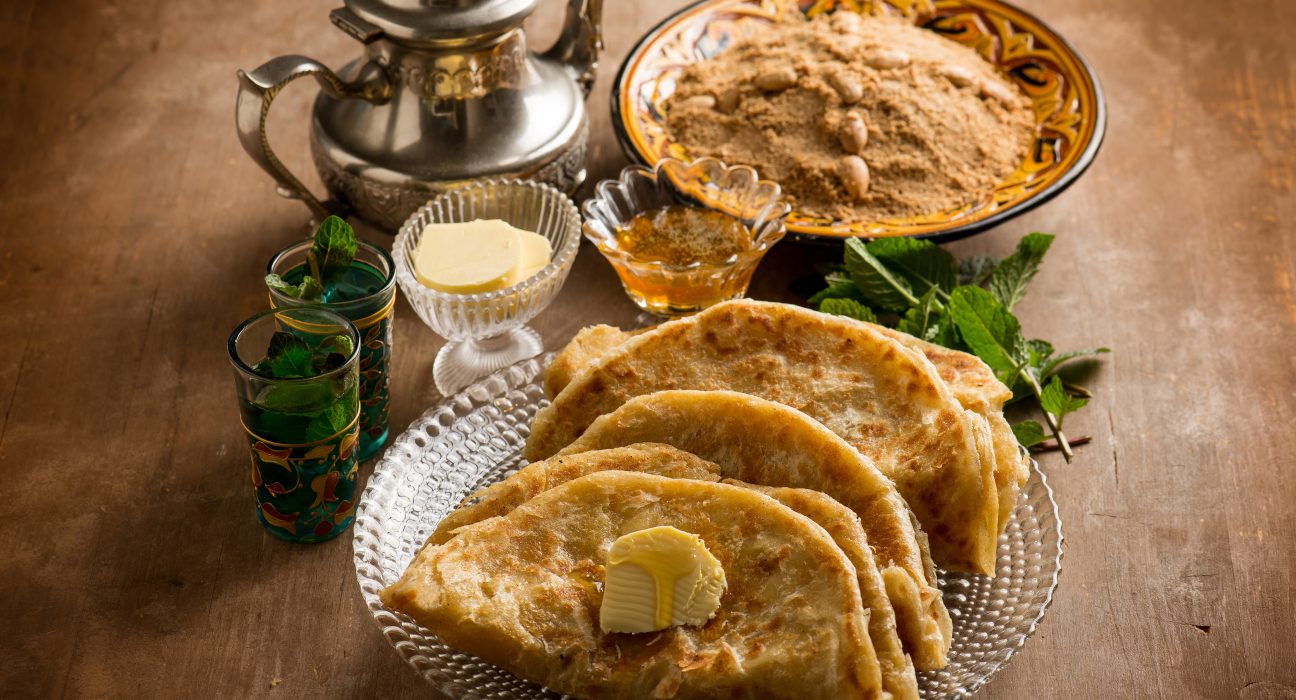
Anda Paratha is a classic Pakistani breakfast favorite, combining the comfort of flatbread with protein-rich eggs. To make it, prepare a simple whole wheat dough and roll it out into a circle. Beat eggs with salt, pepper, and chopped green chilies, then spread the mixture over the rolled dough. Fold and cook on a hot griddle with a light brush of oil or ghee until golden brown.
This breakfast is both filling and nutritious, providing a good balance of carbohydrates and protein. Serve it with yogurt or a side of pickles for an authentic experience.
2. Halal Halwa Puri
Halwa Puri is a festive breakfast commonly enjoyed on weekends or special occasions in Pakistan. It consists of deep-fried bread (puri) served with sweet semolina halwa and spicy chickpea curry (chana masala). While puri is indulgent, pairing it with protein-rich chickpeas and Halal ghee ensures a satisfying and balanced meal.
For a healthier version, you can lightly pan-fry the puris instead of deep-frying. Halwa Puri is perfect for those who want a rich, traditional breakfast to share with family and friends.
3. Halal Nihari with Bread
Nihari, a slow-cooked beef or lamb stew, is traditionally eaten as a breakfast dish in Pakistan, especially in cities like Lahore and Karachi. The tender meat cooked with aromatic spices is both hearty and flavorful. Serve Nihari hot with freshly baked naan or roti, and garnish with fresh coriander, ginger slices, and lemon wedges.
This breakfast is rich in protein and makes for a highly satisfying meal, especially during colder months. Always ensure the meat is Zabiha Halal-certified to maintain compliance with dietary requirements.
4. Chana Chaat (Spicy Chickpea Salad)
Chana Chaat is a light yet protein-packed breakfast option, perfect for those who prefer a refreshing start to the day. Boiled chickpeas are mixed with chopped onions, tomatoes, green chilies, coriander, and a blend of spices like cumin, chaat masala, and lemon juice.
This dish is quick to prepare and provides a healthy dose of fiber and protein. It’s also versatile—you can serve it on its own, with roti, or as a side to eggs or parathas.
5. Halal Aloo Paratha (Stuffed Potato Flatbread)
Aloo Paratha is arguably one of the most popular traditional breakfasts across Pakistan. Mashed potatoes are mixed with finely chopped onions, green chilies, and spices, then stuffed into rolled dough and cooked on a hot griddle. Serve with yogurt, butter, or pickles for a complete Halal meal.
This breakfast is rich, satisfying, and provides both energy and comfort. Using whole wheat flour adds fiber and keeps the dish healthier without compromising on taste.
6. Halal Paya (Trotters Curry)
Paya is a beloved breakfast dish in Pakistan, particularly in cities like Lahore, Karachi, and Peshawar. It consists of slow-cooked goat or beef trotters in a spicy, aromatic broth. Paya is traditionally eaten with naan or roti and is often garnished with fresh coriander and ginger.
Though this dish requires time to prepare, it is highly nutritious, rich in collagen and protein, and perfect for a weekend or special occasion breakfast. Always use Zabiha Halal-certified meat to ensure compliance.
7. Dahi Bhalla (Lentil Dumplings with Yogurt)
Dahi Bhalla is a lighter breakfast option enjoyed across Pakistan. Soft lentil dumplings are soaked in water, then topped with creamy yogurt, tamarind sauce, and fresh spices. The combination of flavors—savory, tangy, and mildly spicy—makes it a refreshing start to the day.
This dish provides protein, probiotics from yogurt, and fiber from lentils, making it both nutritious and delicious.
Tips for a Healthy Traditional Halal Breakfast
-
Use Zabiha Halal Meat – Ensure all meat dishes are Halal-certified.
-
Balance Protein and Carbs – Pair flatbreads with protein-rich eggs, legumes, or meat.
-
Cook Wisely – Use minimal oil or ghee to make traditional dishes healthier.
-
Incorporate Fresh Ingredients – Fresh vegetables, herbs, and spices enhance nutrition and flavor.
-
Plan Ahead – Some dishes, like Nihari or Paya, require slow cooking; prepare in advance for a stress-free breakfast.
Traditional Pakistani breakfasts are more than just meals—they are a celebration of culture, flavor, and community. Whether it’s the indulgent Halwa Puri, the protein-packed Aloo Paratha, or the hearty Nihari, these dishes provide both nutrition and satisfaction while adhering to Halal principles.
By including these breakfast recipes in your daily routine, you can enjoy authentic Pakistani flavors, stay energized throughout the day, and maintain a Halal lifestyle.