


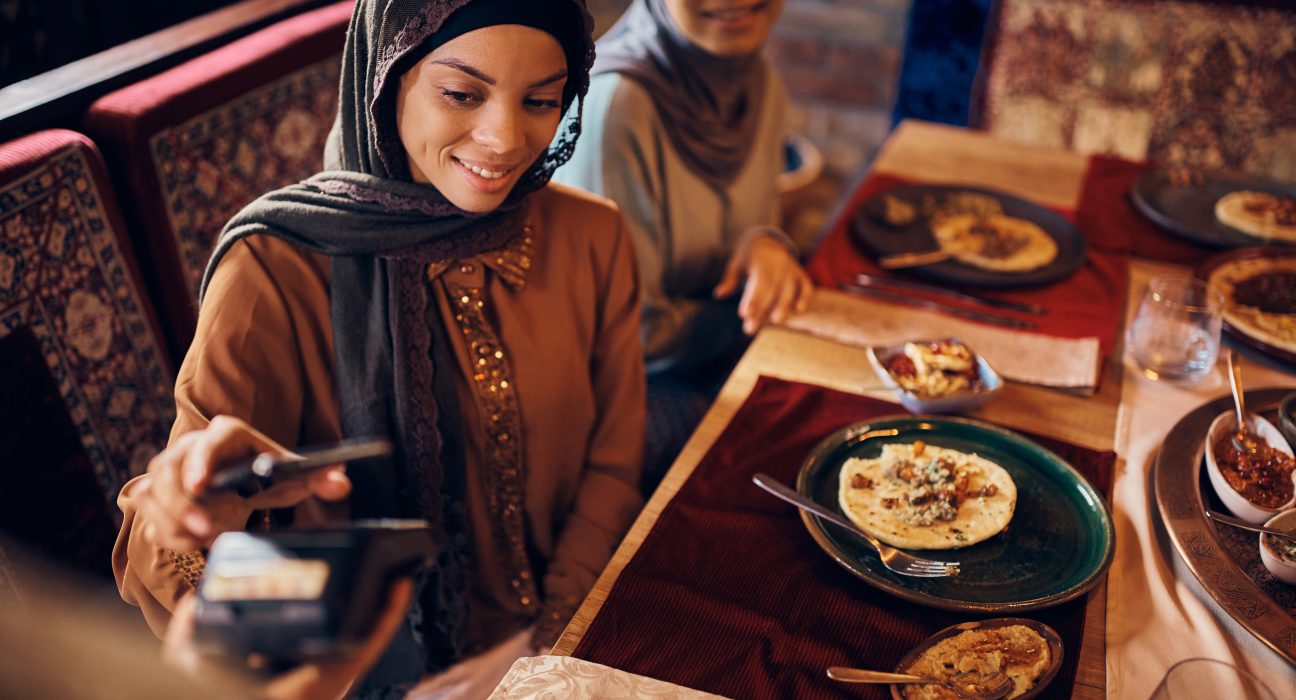
Traveling abroad is an exciting opportunity to explore new cultures, cuisines, and experiences. For Muslim travelers, however, one of the key considerations is finding halal food while away from home. Eating halal is not only a matter of religious observance but also a way to ensure food is safe, clean, and ethically prepared. Fortunately, with some planning, research, and practical strategies, it is possible to enjoy delicious halal meals anywhere in the world.
This guide provides tips and advice for locating halal food while traveling abroad, helping you enjoy your trip without compromising your dietary principles.
1. Research Before You Go
The first step in finding halal food abroad is pre-trip research. This helps you identify halal-friendly restaurants, markets, and grocery stores in advance.
Tips:
-
Search online for “halal restaurants in [city/country]” or “halal food guide [destination]”.
-
Check travel blogs and forums where Muslim travelers share experiences and recommendations.
-
Look for official halal certification bodies in that country, which can help verify the authenticity of restaurants.
-
Make a list of at least a few halal-friendly restaurants near your hotel or major tourist attractions.
Planning ahead ensures you have options ready, reducing stress and avoiding last-minute uncertainty.
2. Use Halal Food Apps and Websites
Technology makes finding halal food abroad easier than ever. Several apps and websites are designed specifically to help Muslim travelers locate halal restaurants and stores.
Popular tools include:
-
Zabihah.com: Comprehensive directory of halal restaurants and markets worldwide.
-
HalalTrip: Provides restaurant listings, prayer times, and halal travel tips.
-
HappyCow: Shows vegan and vegetarian options, some of which are halal-friendly.
These apps allow you to filter by location, cuisine type, and halal certification, making it easier to find suitable meals while traveling.
3. Look for Halal Certification
Many restaurants around the world display halal certificates or logos. This certification indicates that the food complies with Islamic dietary laws.
Tips:
-
Look for official halal logos on menus, walls, or websites.
-
Ask staff politely if meat and poultry are halal-certified.
-
Some international chains may have halal-certified outlets in specific locations—verify before ordering.
Halal certification provides peace of mind that the food meets religious requirements.
4. Explore Local Muslim Communities
Muslim communities in foreign countries often have halal grocery stores, restaurants, and bakeries. Connecting with locals or visiting mosques can help you discover hidden halal gems.
Tips:
-
Ask mosque staff or community centers for recommended halal eateries.
-
Visit areas with a high Muslim population, often known for halal dining options.
-
Join local social media groups or forums to get tips from residents.
This approach allows you to enjoy authentic local halal cuisine while supporting the local Muslim community.
5. Understand International Cuisine
Knowing the basics of international dishes helps in identifying halal options even without certifications. Many vegetarian dishes, seafood, and plant-based meals are naturally halal.
Tips:
-
In Asian countries, rice, vegetable, and tofu dishes are often halal-friendly.
-
Middle Eastern cuisine such as falafel, hummus, and grilled meats are widely available.
-
Ask about ingredients in advance, especially in sauces and marinades, to avoid non-halal additives.
Being familiar with international cuisines increases your flexibility and options while dining out.
6. Learn Key Phrases in the Local Language
When traveling abroad, language barriers can make it challenging to communicate dietary restrictions. Learning a few key phrases in the local language helps ensure you get halal food.
Useful phrases include:
-
“Is this halal?”
-
“Does this contain pork or alcohol?”
-
“I am Muslim; I only eat halal meat.”
Carrying a translation card or phone app with these phrases is especially helpful in restaurants or markets.
7. Choose Vegetarian or Seafood Options When Unsure
If halal meat is not available, vegetarian, seafood, or plant-based dishes are usually safe alternatives. Many international cuisines offer delicious options that are naturally halal:
-
Vegetable stir-fries or curries
-
Lentil, chickpea, or bean dishes
-
Grilled fish or seafood
-
Salads, soups, and rice dishes
These options ensure you still enjoy flavorful and satisfying meals while adhering to halal principles.
8. Pack Travel Essentials
Bringing some essentials can make eating halal abroad easier.
Helpful items include:
-
Instant halal snacks or protein bars for emergencies
-
Travel-friendly utensils and containers if you plan to cook or store food
-
A small prayer mat for convenience during travel
Being prepared ensures you maintain your halal lifestyle even in unfamiliar environments.
9. Be Mindful of Cross-Contamination
In restaurants, cross-contamination may occur if halal and non-halal foods are prepared together. To minimize risk:
-
Ask if separate utensils, grills, or fryers are used.
-
Request meals cooked separately when possible.
-
Avoid mixed platters that may contain non-halal ingredients.
Being proactive ensures your meals remain halal-compliant and safe.
Final Thoughts
Traveling abroad does not have to mean compromising your halal diet. With research, planning, and practical strategies, it is possible to enjoy international cuisines while maintaining dietary compliance.
By using halal apps, connecting with local Muslim communities, learning key phrases, and being mindful about ingredients and preparation, halal travelers can explore the world with confidence and peace of mind. Whether sampling street food in Southeast Asia or dining at restaurants in Europe, there are countless opportunities to enjoy delicious halal meals abroad.
A thoughtful approach ensures your travel experience is both enriching and aligned with your dietary values, allowing you to focus on adventure, culture, and memorable moment