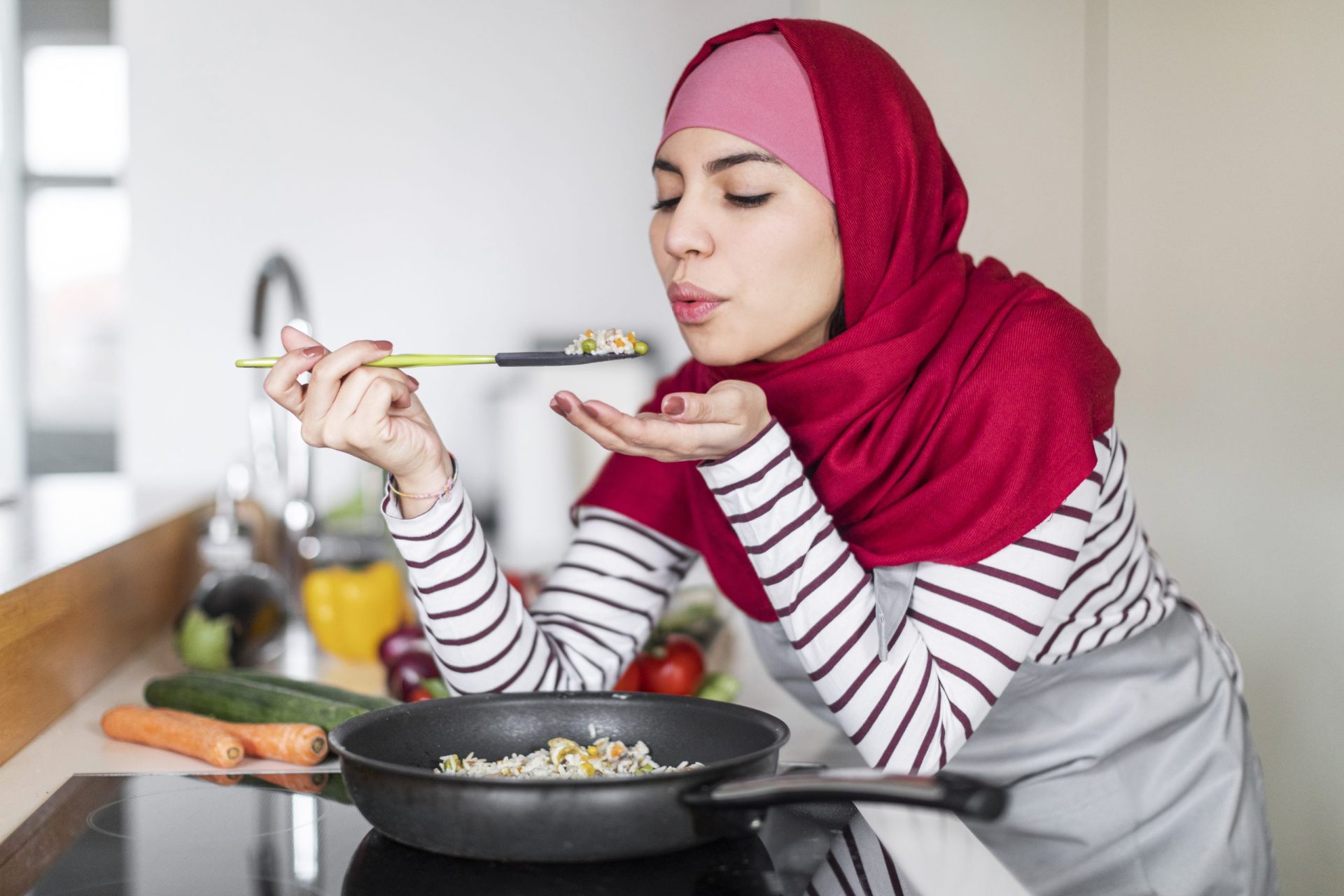


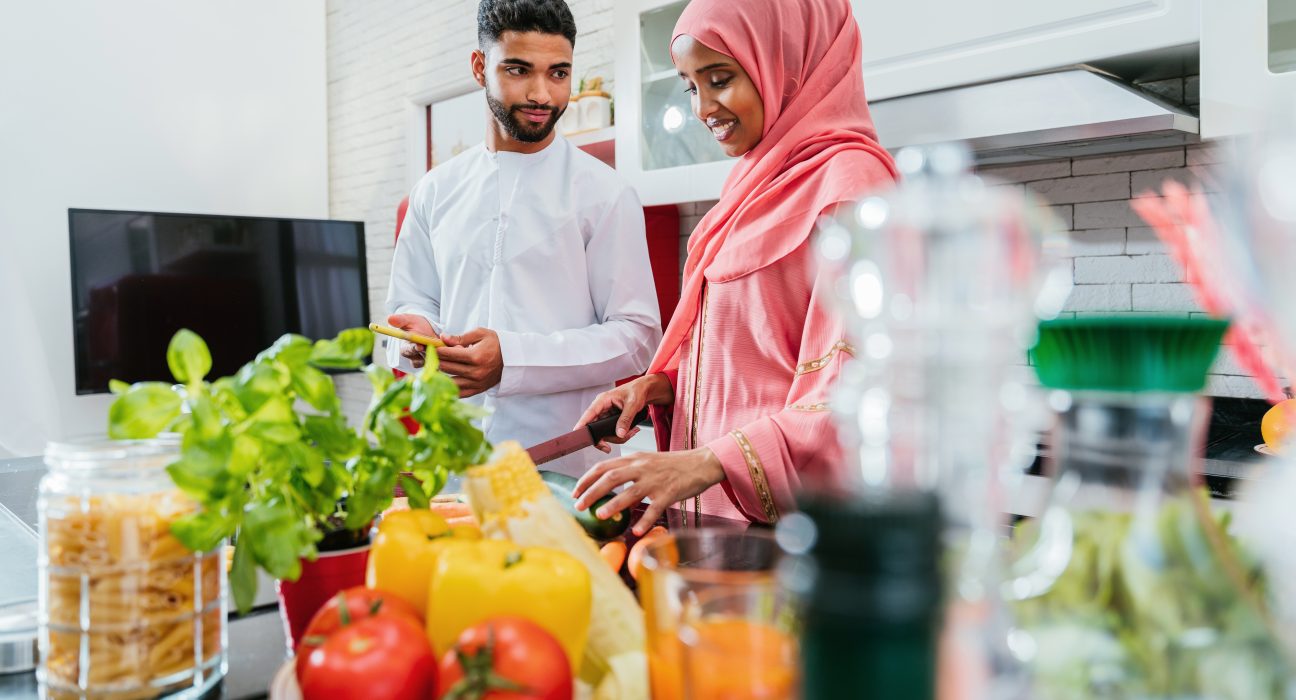
A halal diet is more than a set of dietary restrictions—it is a holistic approach to eating that emphasizes health, hygiene, and ethical practices. Rooted in Islamic principles, a halal diet ensures that the food consumed is permissible, wholesome, and prepared with care, fostering both physical well-being and mindful living.
Adopting a halal diet can naturally support a balanced lifestyle by encouraging healthier food choices, portion control, and ethical consumption. In this blog, we explore how following halal guidelines contributes to a balanced and nourishing way of life.
1. Emphasis on Wholesome and Natural Foods
Halal guidelines encourage the consumption of fresh, natural, and unprocessed foods. Fruits, vegetables, grains, legumes, and halal-certified proteins form the foundation of most halal diets.
Benefits for a balanced lifestyle:
-
Provides essential vitamins, minerals, and fiber for overall health
-
Reduces reliance on heavily processed foods with additives and preservatives
-
Encourages meals that are nutrient-dense and satisfying
Eating natural foods in their simplest form supports energy levels, digestion, and overall well-being.
2. Focus on High-Quality Protein
A halal diet prioritizes meat, poultry, and fish that are prepared according to Islamic law. Halal slaughter involves draining blood and ensuring the animal is healthy and free from stress, which contributes to safer and cleaner protein sources.
Health advantages include:
-
High-quality protein for muscle maintenance and repair
-
Lower risk of exposure to harmful additives or contaminants
-
Easier digestion due to careful processing and handling
Incorporating halal proteins into meals supports physical activity and promotes a balanced nutrient intake.
3. Avoidance of Harmful Ingredients
Halal dietary laws strictly prohibit the consumption of certain foods and substances, including:
-
Pork and pork by-products
-
Alcohol and alcohol-based ingredients
-
Non-halal animal-derived additives or gelatin
By avoiding these substances, a halal diet reduces exposure to potentially harmful compounds and encourages cleaner, healthier eating habits. This aligns naturally with a balanced lifestyle that prioritizes physical health and wellness.
4. Encourages Mindful Eating
A key aspect of halal eating is moderation and mindfulness. Islam emphasizes avoiding excess and being grateful for the food consumed.
Lifestyle benefits include:
-
Better portion control, reducing overeating
-
Greater appreciation for meals, leading to slower, mindful eating
-
Encouragement to choose nutritious and satisfying foods
Mindful eating helps maintain a healthy weight, improves digestion, and enhances the overall eating experience.
5. Integration of Healthy Cooking Methods
Halal cooking often involves methods that preserve nutrients and flavor, such as grilling, baking, steaming, or slow-cooking. While fried foods are not prohibited, many traditional halal meals focus on techniques that enhance taste without excess oil or fat.
Advantages for a balanced diet:
-
Reduces intake of unhealthy fats
-
Retains more nutrients in vegetables, grains, and proteins
-
Supports a heart-healthy and energy-sustaining diet
Choosing appropriate cooking methods complements the nutritional principles of a halal lifestyle.
6. Use of Natural Spices and Herbs
Spices and herbs are integral to halal cuisine, not only for flavor but also for health benefits. Common spices like turmeric, cumin, coriander, cinnamon, and black pepper are antioxidant-rich and anti-inflammatory, supporting overall wellness.
Benefits include:
-
Improved digestion
-
Enhanced metabolism and nutrient absorption
-
Natural flavoring that reduces the need for salt or artificial additives
By using spices thoughtfully, halal cooking encourages healthy, flavorful meals that nourish the body.
7. Promotes Ethical and Sustainable Choices
Halal principles also emphasize ethical treatment of animals and responsible food practices. Animals must be healthy, properly raised, and slaughtered humanely.
Lifestyle benefits include:
-
Peace of mind from knowing your food aligns with ethical values
-
Encouragement to support sustainable and responsible food sources
-
Alignment of physical nourishment with spiritual and moral well-being
Ethical food choices contribute to a holistic, balanced lifestyle that considers both health and responsibility.
8. Supports Balanced Meal Planning
A halal diet naturally encourages balanced meals by combining proteins, carbohydrates, fats, and fresh produce. Traditional halal meals often include:
-
Grilled or cooked protein (chicken, beef, fish, or legumes)
-
Whole grains or rice for energy
-
Fresh vegetables or salads for fiber and nutrients
-
Healthy fats from olive oil, nuts, or seeds
This approach provides all major nutrient groups in appropriate proportions, supporting energy, growth, and overall health.
Final Thoughts
Following a halal diet goes beyond religious observance—it supports a balanced, mindful, and health-conscious lifestyle. By focusing on wholesome ingredients, high-quality proteins, natural spices, ethical sourcing, and moderation, halal eating aligns with principles of physical wellness, mental clarity, and spiritual mindfulness.
Whether you are preparing a simple everyday meal or a festive feast, a halal diet encourages choices that nourish both the body and soul. Embracing halal principles can help you achieve a well-rounded, balanced lifestyle, making healthy eating easier, more ethical, and more satisfying.