

In today’s global market, processed foods are everywhere—from snacks and frozen meals to beverages and sauces. For Muslims, ensuring that these products are halal is essential to follow dietary laws and maintain religious compliance. While it might seem straightforward, reading and verifying halal labels on processed products can be tricky, especially with unfamiliar brands or imported goods.
This guide explains how to check halal labels, understand certifications, and make confident choices when buying processed foods.
Why Checking Halal Labels Matters
Halal is not just a label—it represents compliance with Islamic dietary guidelines, ensuring that the food:
-
Comes from permissible animals (like chicken, beef, or fish).
-
Is slaughtered according to Islamic law if it’s meat.
-
Contains no forbidden ingredients, such as alcohol, gelatin from non-halal sources, or certain emulsifiers.
-
Is free from cross-contamination with non-halal items during processing.
Even processed foods can include hidden ingredients that are not halal, so checking labels is essential to avoid mistakes.
1. Look for Recognized Halal Certifications
The first step is to check for halal certification logos. These symbols are issued by recognized halal authorities and indicate that the product has been verified.
Tips:
-
Recognized Authorities: Look for certifications from reputable organizations like:
-
Islamic Food and Nutrition Council of America (IFANCA)
-
Halal Food Authority (HFA)
-
JAKIM (Malaysia)
-
-
Official Logo: Ensure the logo is clearly printed on the package, not just a sticker or unofficial claim.
-
Certification Number: Some products include a certification number or expiry date, which can be verified on the certifier’s website.
A recognized halal logo is a quick way to confirm the product meets religious requirements.
2. Read the Ingredient List Carefully
Even with a halal logo, reading the ingredient list is important for complete assurance.
What to Watch For:
-
Gelatin: Ensure it comes from halal sources (pork gelatin is forbidden).
-
Emulsifiers & Enzymes: Some may be derived from non-halal animals. Look for “halal-certified” or plant-based alternatives.
-
Alcohol: Avoid ingredients such as ethanol or wine extract.
-
Flavorings: Natural or artificial flavors can sometimes include non-halal derivatives, so check for certification.
If the ingredient list is unclear, contact the manufacturer to confirm halal compliance.
3. Check the Packaging and Labels
Halal compliance is often indicated not only by logos but also by packaging information.
Key Points:
-
Prominent Halal Labeling: Look for “Halal” printed clearly on the front or back of the package.
-
Certification Details: Some packages include the name of the certifying authority and certification number.
-
Expiry Date: Always check freshness; a valid halal certification is only meaningful if the product is within its expiration.
Well-labeled products make it easier to shop with confidence.
4. Verify Imported Products
Imported processed foods may have unfamiliar halal logos or foreign certifications.
Tips for Verification:
-
Research the Authority: Check the halal certifying organization’s website for authenticity.
-
Cross-Check Ingredients: Ensure no non-halal ingredients are added in the manufacturing country.
-
Beware of Misleading Claims: Some products may display “halal-friendly” or “suitable for Muslims,” but this is not an official certification.
Being diligent ensures you avoid mistakenly consuming non-halal items.
5. Use Mobile Apps and Online Resources
Technology makes it easier to verify halal status quickly:
-
Halal Food Apps: Apps like Zabihah or Halal Navi list halal-certified products, brands, and stores.
-
Manufacturer Websites: Many brands provide a list of halal-certified products online.
-
Community Reviews: Online forums and social media groups can provide feedback on halal compliance for specific products.
These tools are especially helpful when shopping in unfamiliar stores or trying new brands.
6. Understand Common Halal Symbols
Different countries and organizations may use slightly different halal logos. Common symbols include:
-
Circle with Arabic text: Often says “Halal” in Arabic script.
-
Certifying authority acronym: Like IFANCA or HFA.
-
Green color: While not mandatory, green is commonly associated with halal certification.
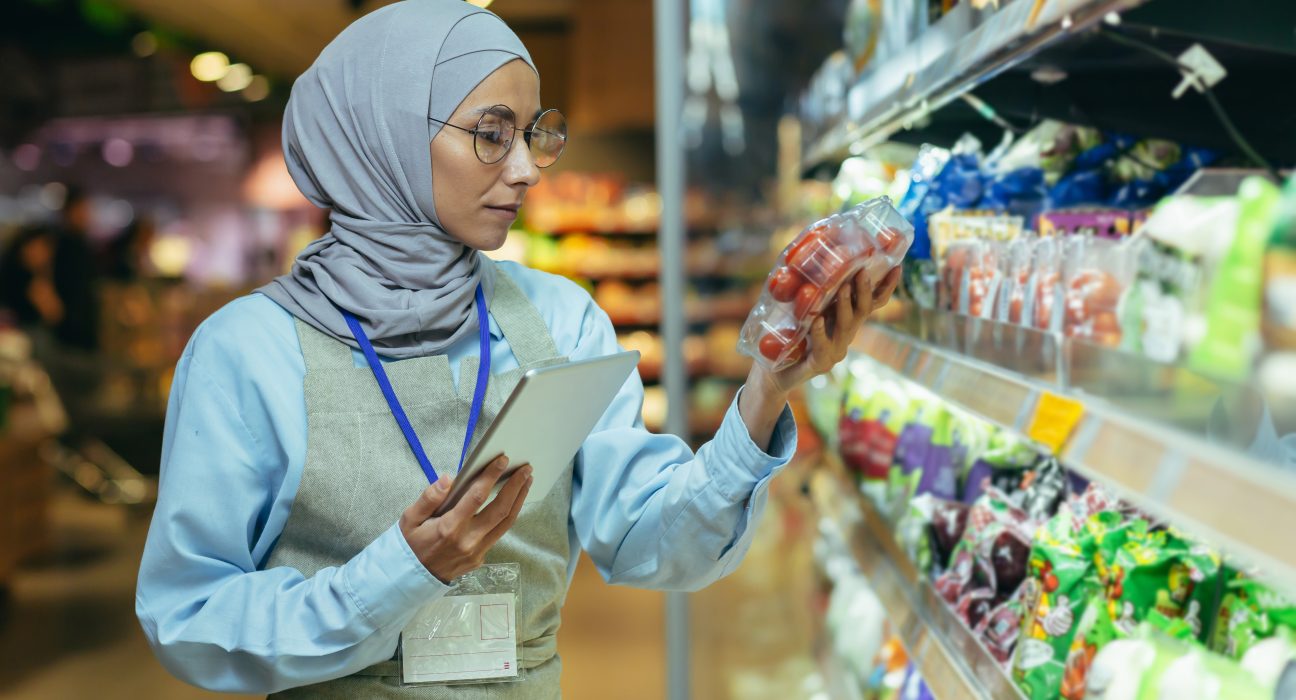
Familiarity with these logos helps you identify halal products quickly on crowded supermarket shelves.
7. Tips for Confident Shopping
-
Buy from Trusted Brands: Stick to brands with consistent halal certification.
-
Avoid Ambiguity: If you are unsure about a product’s halal status, it’s safer to skip it.
-
Check Updates: Certification status can change, so verify periodically, especially for imported items.
-
Keep a List: Maintain a list of verified halal products for easier future shopping.
Following these tips ensures that you can shop efficiently and confidently, without compromising your dietary principles.
Final Thoughts
Checking halal labels on processed products may seem overwhelming at first, but with a few simple steps, it becomes easy and routine. Always:
-
Look for recognized halal logos
-
Read ingredient lists carefully
-
Verify certification details
-
Use apps and online resources for additional confirmation
By staying informed, you can enjoy the convenience of processed halal foods safely, confidently, and deliciously. Whether it’s snacks, ready-to-eat meals, or packaged desserts, proper label checking ensures every bite is halal-compliant and worry-free.