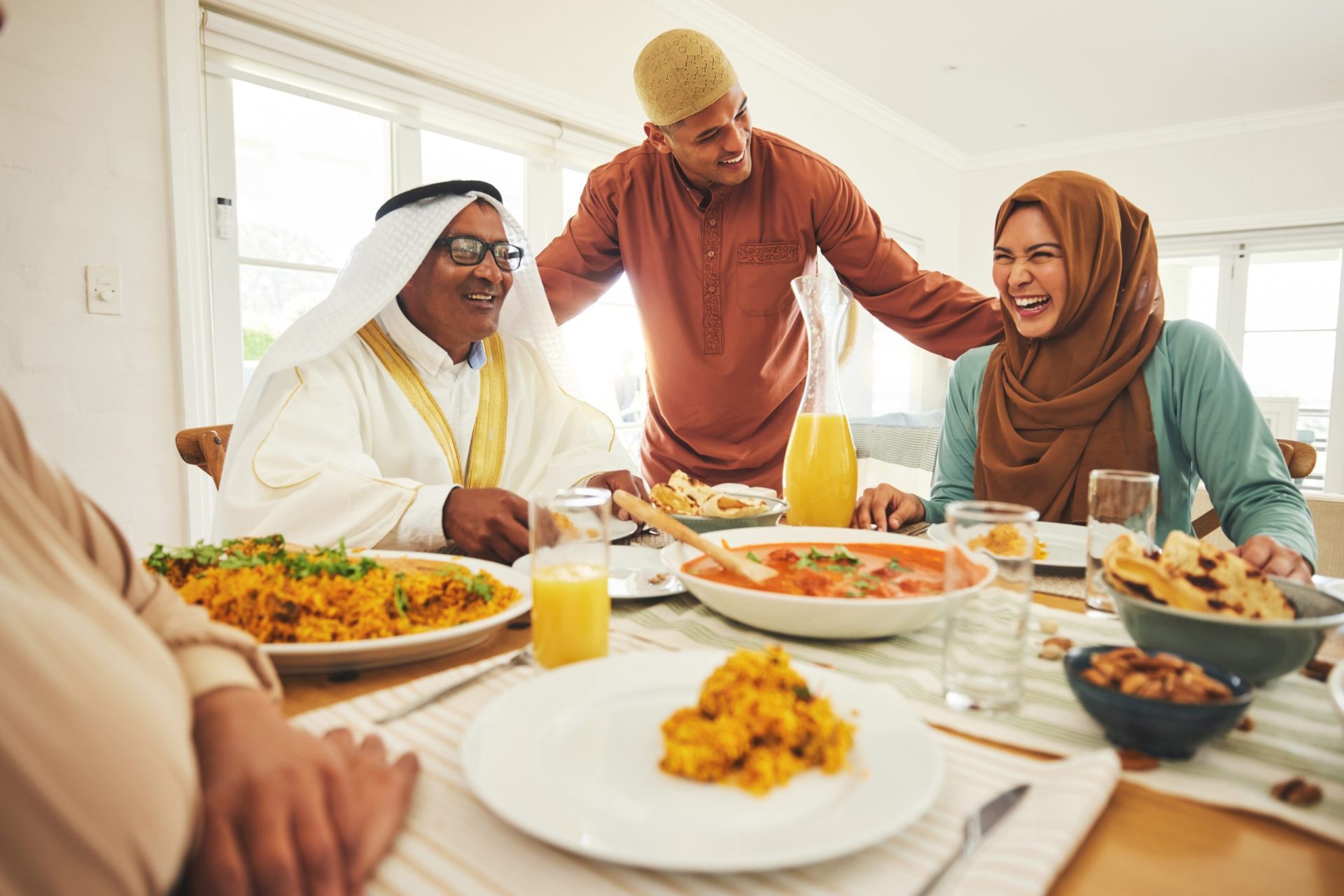


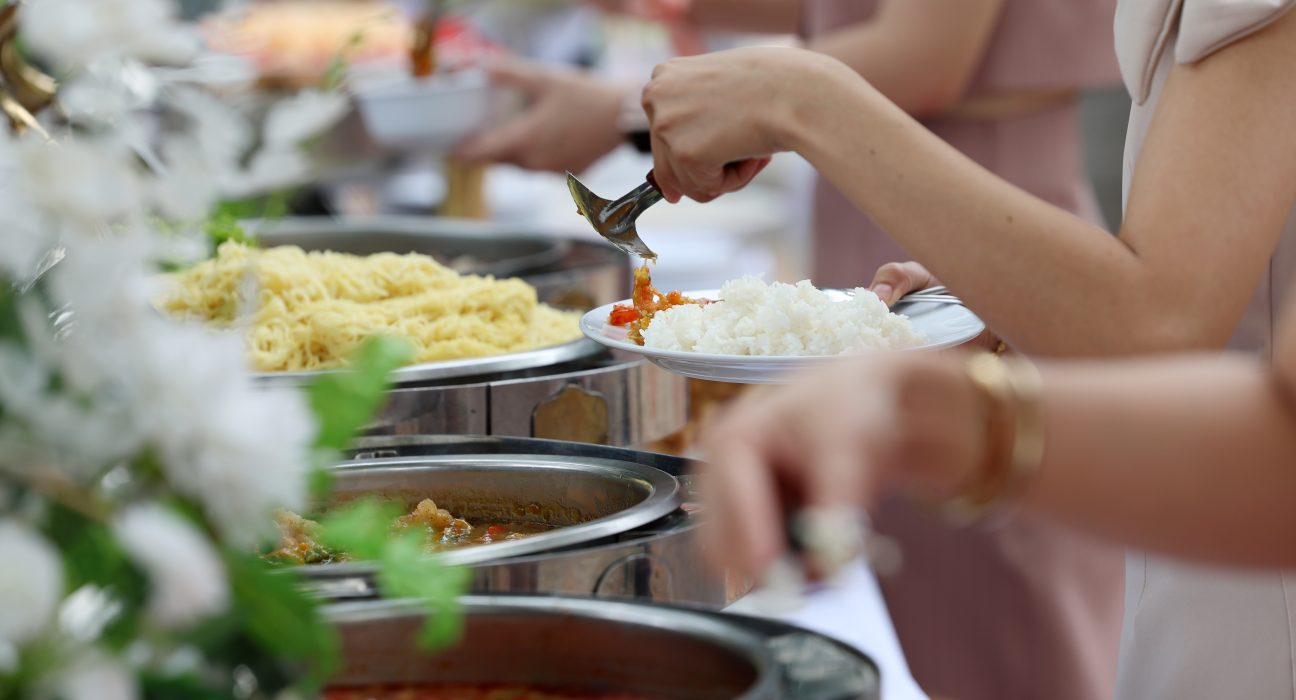
A wedding is one of the most memorable events in life, and food plays a central role in making the celebration unforgettable for your guests. For Muslim couples, planning a halal wedding menu ensures that all dishes comply with Islamic dietary laws while offering a delicious and diverse culinary experience. From appetizers to desserts, a carefully curated halal menu enhances the overall wedding celebration and leaves a lasting impression.
This blog provides tips, ideas, and inspiration for planning a halal wedding menu that is both elegant and satisfying for all your guests.
1. Understand Halal Requirements
Before planning the menu, it’s important to understand the basics of halal food:
-
Meat and poultry must be halal-certified and slaughtered according to Islamic law (Zabiha).
-
Pork and its derivatives are strictly forbidden.
-
Alcohol and intoxicants must not be used in any dish or preparation.
-
Ingredients such as gelatin, enzymes, and emulsifiers should be sourced from halal-compliant sources.
Ensuring all ingredients are halal provides peace of mind for both the couple and guests and demonstrates respect for religious traditions.
2. Start with Appetizers and Starters
Appetizers set the tone for the wedding meal and should be light, flavorful, and visually appealing.
Popular Halal Appetizers:
-
Mini Chicken or Lamb Kebabs: Marinated and grilled to perfection.
-
Vegetable Samosas: Crisp pastries filled with spiced vegetables.
-
Stuffed Dates: Sweet and nutty, perfect for a touch of elegance.
-
Bruschetta with Fresh Vegetables: A modern twist suitable for international tastes.
A combination of halal meats, vegetarian options, and finger foods ensures variety and caters to all dietary preferences.
3. Main Courses: Delicious and Filling
The main course is the highlight of the wedding feast. For a halal menu, ensure all meats are certified halal and dishes are rich in flavor yet easy to serve to large groups.
Halal Main Course Ideas:
-
Biryani: A festive dish with halal chicken, mutton, or beef, layered with aromatic basmati rice and spices.
-
Roast Lamb or Chicken: Whole roasted meats with herbs and spices for a traditional touch.
-
Halal Seafood Dishes: Options like baked fish or prawn curry add variety for seafood lovers.
-
Vegetarian Curries: Rich in spices and legumes, these provide alternatives for vegetarian guests.
Pair main courses with rice dishes, breads, or pilafs to create a satisfying and balanced menu.
4. Side Dishes: Complementary Flavors
Side dishes add depth and texture to the meal, balancing the main courses.
-
Fresh Salads: Mixed greens, cucumbers, tomatoes, and herbs provide freshness.
-
Grilled or Roasted Vegetables: Seasonal vegetables roasted with olive oil and spices.
-
Halal-Friendly Sauces: Yogurt-based dips, mint chutney, or mild gravies enhance the flavors of main dishes.
Offering a mix of light and rich sides ensures that guests can create a meal that suits their preferences.
5. Desserts: Sweet Celebrations
No wedding is complete without sweet treats. Ensure desserts are halal, free from gelatin or alcohol-based flavorings.
Popular Halal Wedding Desserts:
-
Baklava or Nut-Filled Pastries: Sweet, nutty, and elegant.
-
Sheer Khurma: Traditional vermicelli dessert with milk, nuts, and dates.
-
Halal Cakes: Multi-tiered wedding cakes made with halal-certified ingredients.
-
Mini Cupcakes or Cookies: Perfect for gifting as wedding favors.
Offering a variety of desserts adds charm to the wedding menu and delights guests with both traditional and modern options.
6. Beverages: Refreshing and Inclusive
Beverages should complement the meal and cater to all ages.
-
Juices and Mocktails: Fresh fruit juices or non-alcoholic mocktails add a celebratory touch.
-
Traditional Drinks: Rooh Afza, lemon sherbet, or lassi can reflect cultural traditions.
-
Water and Tea: Essential for hydration, especially during long wedding celebrations.
Avoid alcoholic drinks entirely to maintain halal compliance.
7. Tips for Planning a Halal Wedding Menu
-
Work with a Halal-Certified Caterer: Ensures all dishes meet Islamic dietary standards.
-
Offer Variety: Include halal meat, vegetarian, and seafood options to satisfy all guests.
-
Taste Test in Advance: Schedule a tasting session to finalize flavors and presentation.
-
Consider Presentation: Elegant plating and buffet arrangements enhance the dining experience.
-
Label Dishes Clearly: Indicate halal-certified items and vegetarian options for guests’ convenience.
-
Plan for Dietary Restrictions: Consider allergies, gluten-free options, and other special requirements.
8. Modern and Traditional Fusion
Many couples prefer a fusion approach, combining traditional halal dishes with international cuisine. For example:
-
Mini Biryani Cups as starters.
-
Halal Sushi Rolls for a modern twist.
-
Grilled Vegetable Lasagna for vegetarian guests.
This approach caters to diverse tastes while keeping the menu fully halal and festive.
Final Thoughts
Planning a halal wedding menu requires careful attention to ingredients, preparation, and presentation, ensuring that every dish aligns with Islamic dietary laws. From appetizers to desserts, a thoughtfully curated menu can enhance the wedding experience, delight guests, and reflect both cultural and culinary traditions.
By choosing halal-certified meats, fresh ingredients, and a balanced selection of dishes, couples can create a wedding feast that is memorable, delicious, and fully compliant with halal standards. A well-planned halal menu ensures that your special day is celebrated with joy, taste, and peace of mind.