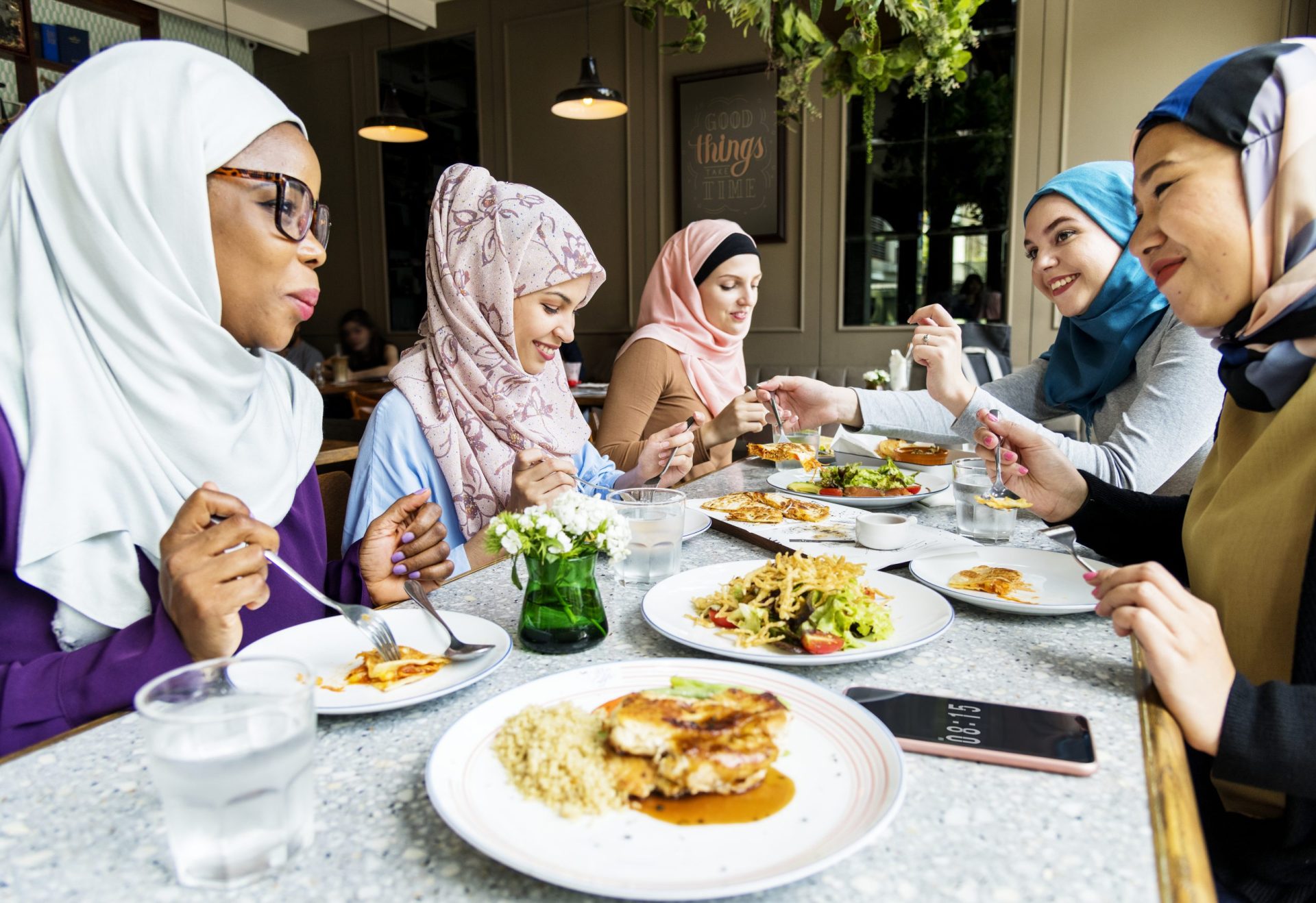


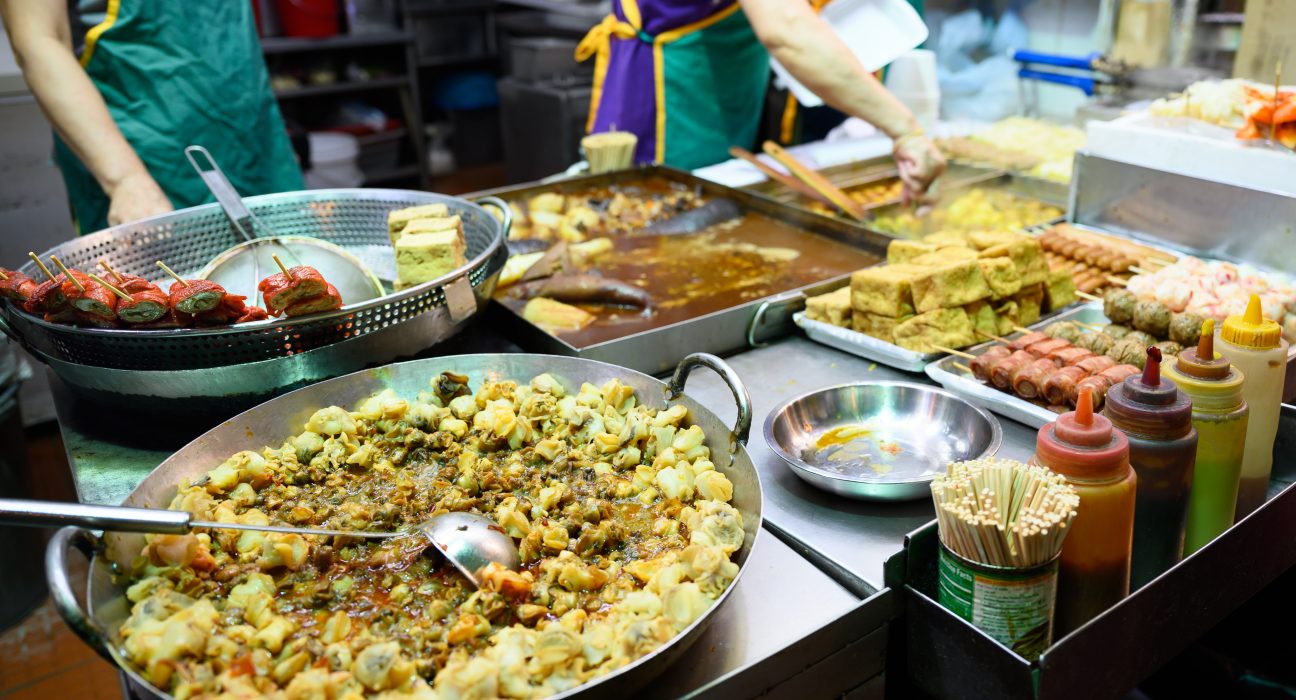
Street food is the heartbeat of any city, offering a vibrant mix of flavors, aromas, and culture in every bite. For food lovers who follow halal dietary guidelines, street food can be both exciting and accessible, as many vendors in Muslim-majority areas serve halal food. From spicy snacks to sweet treats, halal street food provides a quick, affordable, and delicious way to experience local culinary traditions.
In this blog, we explore some of the must-try halal street food dishes and what makes them irresistible for both locals and visitors.
Why Halal Street Food Is Special
Halal street food is special because it combines authentic flavors, quick preparation, and cultural significance. Many street vendors have perfected their recipes over generations, using halal-certified meat, fresh vegetables, and aromatic spices.
The appeal of street food lies not only in the taste but also in the experience—eating on bustling streets, watching food being freshly prepared, and enjoying the energy of the local community. These dishes are often cheaper than restaurant meals but are packed with flavor and authenticity.
Must-Try Halal Street Food Dishes
1. Bun Kebab
One of the most iconic street foods, bun kebab is a spicy, deep-fried patty made from beef, chicken, or lamb, served inside a soft bun with chutneys, onions, and sometimes eggs.
Halal versions ensure the meat is prepared according to dietary laws, while the combination of spices, sauces, and fresh bun makes it a perfectly balanced snack. Bun kebabs are often enjoyed as breakfast or a late-night treat and are famous for their juicy, flavorful patties.
2. Chicken or Beef Rolls
Street food rolls are a favorite for those on the go. Thin flatbreads are filled with grilled or fried halal chicken or beef, vegetables, and flavorful sauces, then rolled into a compact, portable wrap.
These rolls are perfect for quick meals and come in many variations—from mildly spiced to fiery hot. Local vendors often have secret spice mixes that make their rolls unique and addictive.
3. Chaat
Chaat is a popular South Asian street food made with a mix of chickpeas, potatoes, yogurt, chutneys, and spices. It is refreshing, tangy, and slightly sweet, making it a perfect snack for hot days.
Halal chaat ensures that all dairy, spices, and toppings comply with dietary guidelines. Different regions add unique touches, like crispy puris or tamarind sauce, giving each vendor’s chaat a distinct flavor.
4. Seekh Kebabs
Seekh kebabs are spiced, skewered meat kebabs cooked over open flames or grills. Vendors use halal beef, chicken, or lamb and season the meat with a blend of aromatic spices, garlic, and herbs.
The kebabs are often served with naan, raita, or chutneys and are perfect for both snacks and meals. The smoky flavor and tender texture make seekh kebabs a street food staple loved by many.
5. Samosas and Pakoras
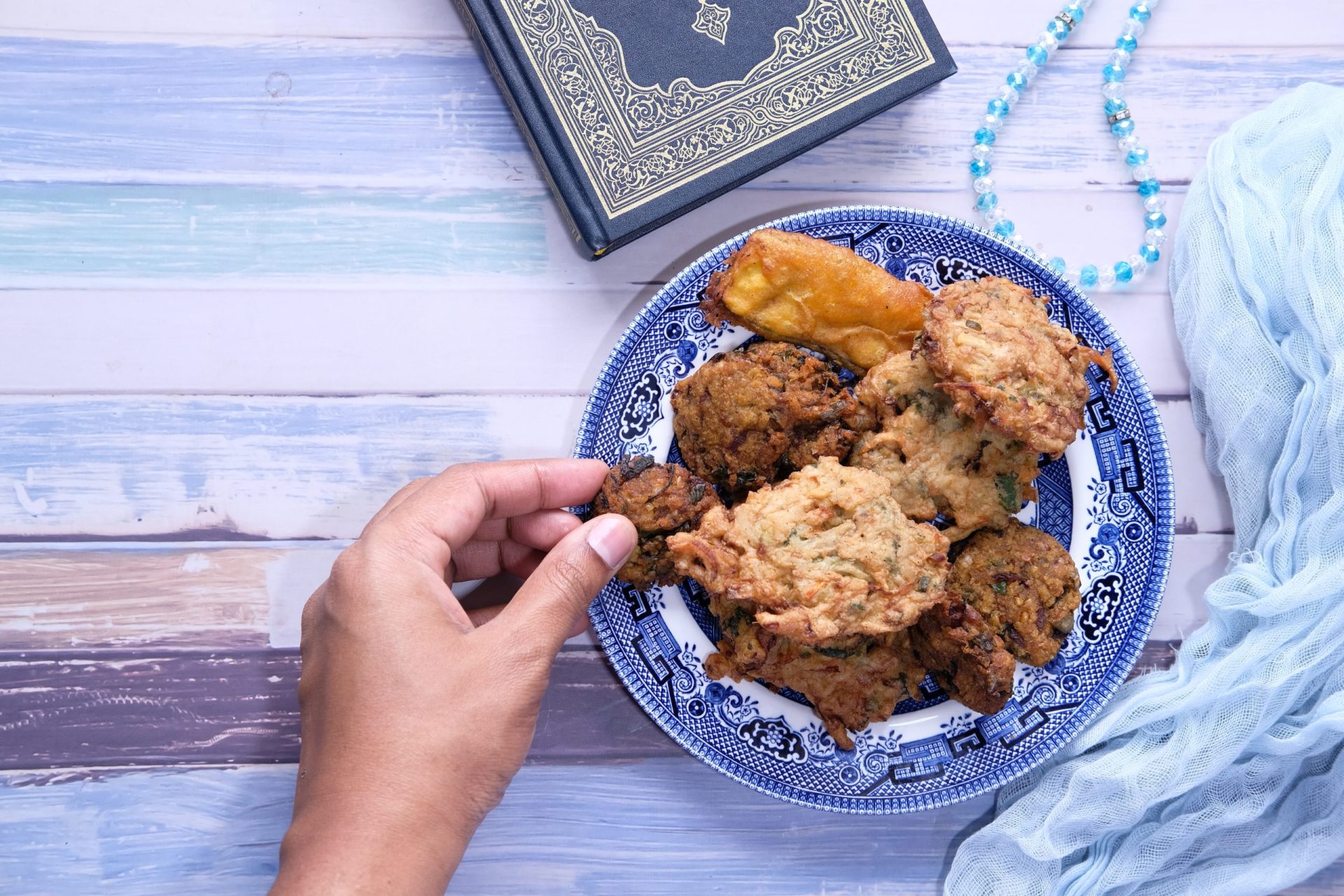
No street food list is complete without samosas and pakoras. Samosas are deep-fried pastries filled with spiced meat, potatoes, or lentils, while pakoras are fritters made from vegetables or chicken coated in chickpea batter.
Halal vendors ensure the meat is permissible and the oil used is clean and fresh. Both snacks are crispy, flavorful, and often served with tangy chutneys that elevate their taste.
6. Halal Desserts on the Street
Street food isn’t only savory—halal sweet treats are equally popular. Favorites include jalebi, rabri, kulfi, and falooda.
-
Jalebi: Crispy, syrupy spirals fried to perfection.
-
Rabri: Thickened sweetened milk topped with nuts and spices.
-
Kulfi: Traditional ice cream made from condensed milk, flavored with cardamom, saffron, or pistachios.
-
Falooda: A cold dessert with vermicelli, sweet syrup, and milk, often garnished with basil seeds.
These desserts provide a perfect end to a street food adventure and are usually made with halal ingredients.
Tips for Enjoying Halal Street Food
-
Check for Halal Signs or Ask the Vendor: While most vendors in Muslim-majority areas follow halal practices, it’s good to confirm meat sources.
-
Go Where the Crowd Is: Busy stalls often indicate freshness and popularity.
-
Try Small Portions First: Street food can be rich and heavily spiced. Sampling first allows you to discover new flavors without feeling overwhelmed.
-
Carry Hand Sanitizer or Wet Wipes: Eating on the go is fun but maintaining hygiene is important.
-
Pair Flavors Thoughtfully: Balance spicy dishes with cool items like yogurt-based raita or sweet desserts.
Why Street Food Is a Cultural Experience
Halal street food offers more than just taste—it provides a glimpse into local traditions and lifestyles. Watching food prepared in front of you, interacting with vendors, and sampling recipes perfected over decades create an immersive culinary adventure.
Street food also allows diners to explore regional flavors at an affordable price. From bold spices to sweet syrups, each bite tells a story of the city’s culture and food heritage.
Final Thoughts
Halal street food is an exciting way to enjoy quick, flavorful, and authentic meals while following dietary guidelines. Dishes like bun kebabs, seekh kebabs, samosas, chaat, and kulfi offer variety, bold flavors, and satisfying portions.
Exploring street food allows you to taste the heart of the city, discover hidden gems, and enjoy the rich culinary traditions of your community. So next time you’re hungry, skip the fast-food chains and head to local halal street food vendors for an unforgettable culinary adventure.