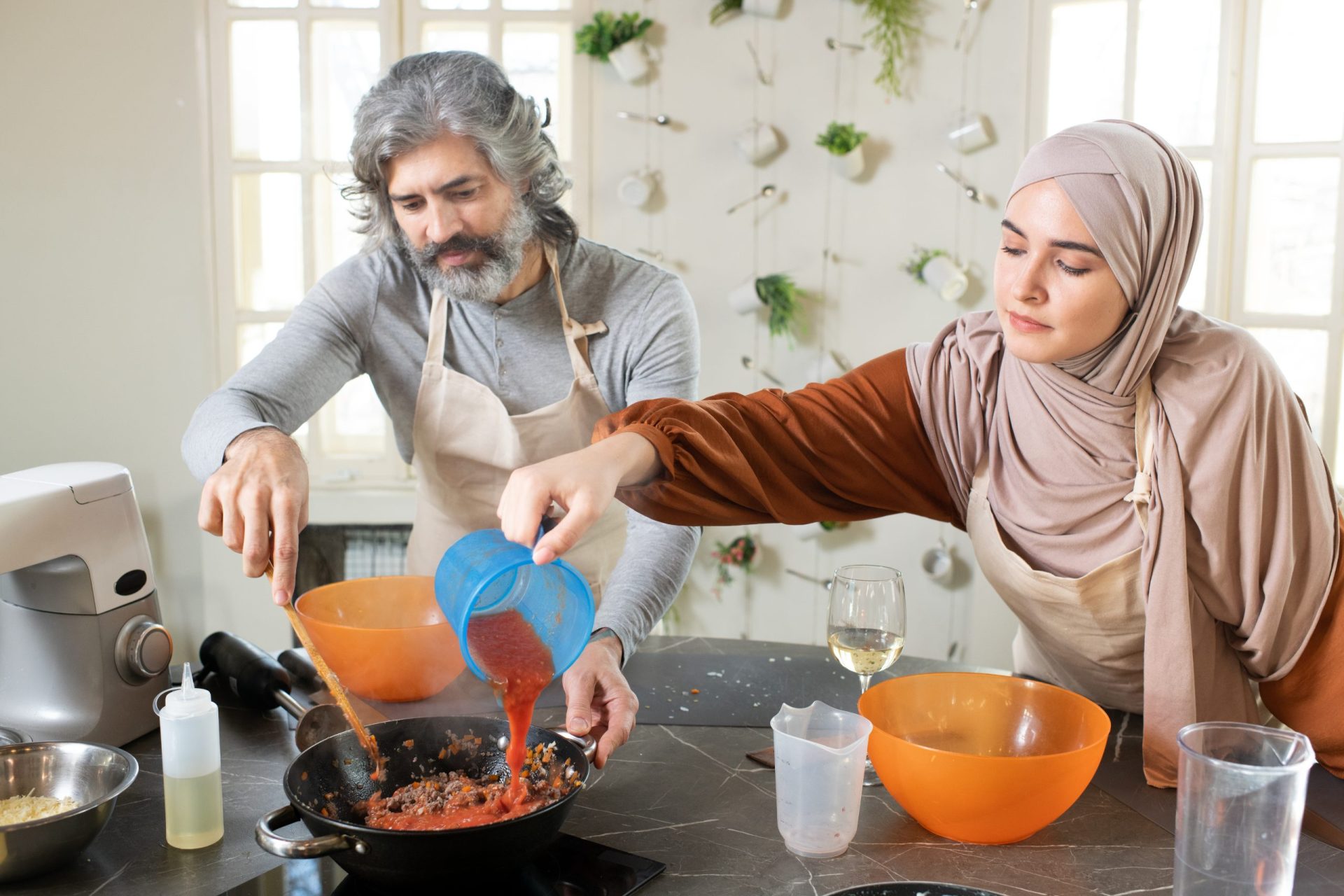


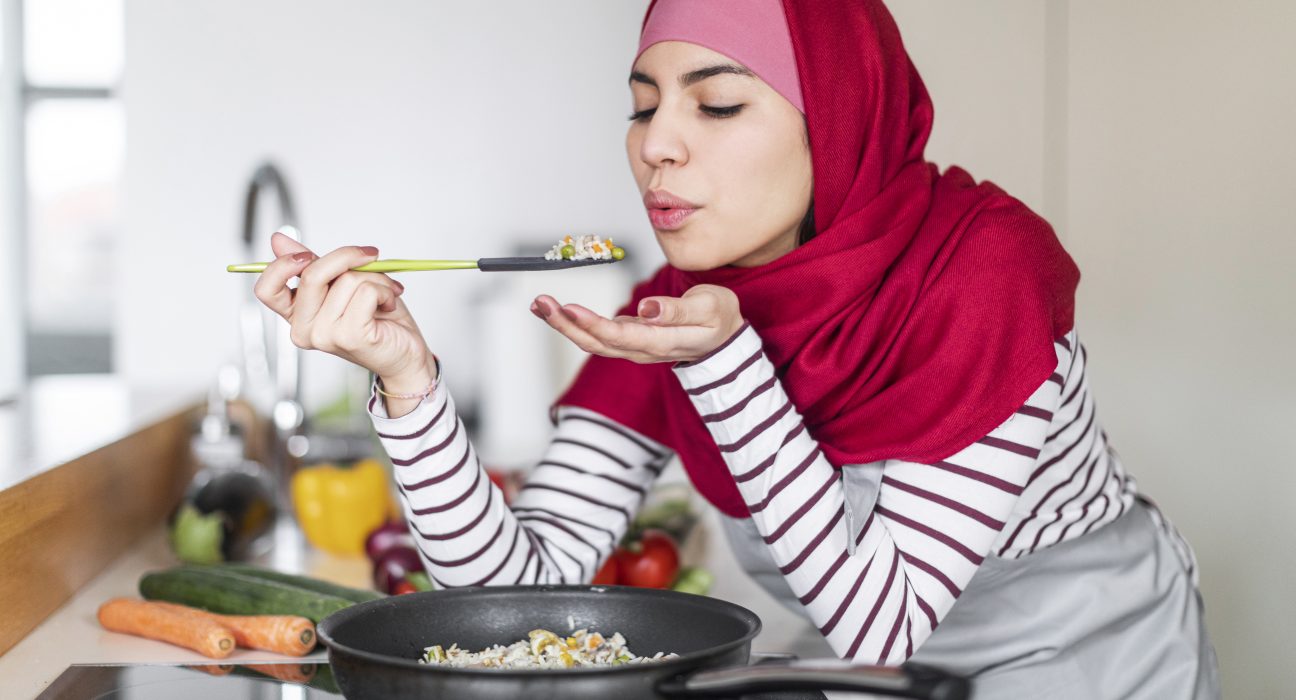
Cooking halal meals involves more than using permissible ingredients—it also requires ensuring that food is prepared in a clean, safe, and contamination-free environment. Cross-contamination occurs when halal food comes into contact with non-halal food, bacteria, or allergens, compromising both its religious compliance and safety. Avoiding cross-contamination is essential for maintaining the integrity of halal meals, protecting health, and ensuring that every dish served is both delicious and compliant.
This blog explores practical strategies for preventing cross-contamination in halal cooking, whether at home, in a restaurant, or during food preparation for gatherings.
1. Understand What Cross-Contamination Means
Cross-contamination happens when halal ingredients are exposed to non-halal elements, either directly or indirectly. Examples include:
-
Using the same cutting board for halal chicken and non-halal pork.
-
Sharing knives or utensils between halal and non-halal meat.
-
Cooking halal meat in oil previously used for non-halal foods.
-
Improper storage where halal items touch non-halal products in the fridge.
Understanding these risks is the first step in maintaining a safe and halal-compliant kitchen.
2. Use Separate Kitchen Tools
One of the most effective ways to prevent cross-contamination is to dedicate utensils and equipment for halal cooking.
Tips:
-
Have separate cutting boards for halal meats, vegetables, and non-halal items.
-
Use different knives, tongs, and spatulas for halal and non-halal foods.
-
Keep separate cookware, like pans or pots, for halal meals.
Labeling or color-coding utensils and cutting boards can make it easier to avoid accidental contact between halal and non-halal ingredients.
3. Store Halal and Non-Halal Foods Separately
Proper storage in the fridge, freezer, and pantry is critical. Halal items should never come into direct contact with non-halal foods.
Storage tips:
-
Use separate shelves in the fridge for halal and non-halal items.
-
Store halal meat in airtight containers or sealed bags.
-
Keep halal and non-halal dry ingredients in clearly labeled containers.
Separation prevents accidental contamination and ensures that halal ingredients remain pure.
4. Wash Hands and Surfaces Thoroughly
Personal hygiene and clean surfaces are crucial in halal cooking. Bacteria, meat juices, or non-halal residues can transfer through hands or countertops.
Tips:
-
Wash hands with soap before and after handling halal or non-halal foods.
-
Sanitize cutting boards, countertops, and utensils between uses.
-
Use separate cloths or paper towels for cleaning halal cooking areas.
Regular cleaning reduces the risk of both cross-contamination and foodborne illnesses.
5. Cook Halal and Non-Halal Foods Separately
Cooking halal and non-halal foods in the same oil or pan can compromise halal compliance.
Tips:
-
Always use fresh oil for frying halal items.
-
Cook halal meats before non-halal foods if using the same stove, or ideally, use separate burners.
-
Avoid shared grills or ovens unless thoroughly cleaned between uses.
Cooking separately ensures that halal integrity is maintained and flavors are not mixed unintentionally.
6. Be Mindful of Marinades and Sauces
Marinades, sauces, and dressings can become sources of cross-contamination if shared between halal and non-halal foods.
Tips:
-
Prepare separate batches of marinades for halal meats.
-
Avoid dipping halal meat into sauces that were used for non-halal ingredients.
-
Label containers clearly to distinguish halal from non-halal sauces.
This ensures that every bite of halal food remains compliant and safe.
7. Educate Household Members or Kitchen Staff
If cooking in a shared kitchen, it’s essential that everyone understands halal rules and cross-contamination risks.
Tips:
-
Explain which ingredients, utensils, and cooking areas are halal-only.
-
Establish clear rules for cleaning, storing, and handling halal food.
-
Encourage vigilance when preparing mixed meals or buffets.
Education promotes consistency, respect, and compliance in the kitchen.
8. Plan Meals to Minimize Risk
Strategic meal planning can reduce the risk of cross-contamination.
Tips:
-
Cook exclusively halal meals when possible, separating non-halal dishes for special occasions.
-
Use simple recipes that minimize handling of multiple types of meat in the same meal.
-
Organize prep areas in advance, keeping halal ingredients on one side and non-halal on the other.
Planning allows for a streamlined cooking process that reduces accidental contact.
9. Consider Using Halal-Certified Products
Using halal-certified meat, poultry, and packaged ingredients simplifies cooking and reduces risks. These products are processed under strict supervision, ensuring they are free from non-halal contaminants.
Benefits:
-
Peace of mind that meat is halal from slaughter to packaging.
-
Reduced risk of accidental non-halal ingredients in processed foods.
-
Consistency for home cooks or restaurant chefs preparing halal meals.
Halal-certified products make cross-contamination easier to manage and safer overall.
Final Thoughts
Avoiding cross-contamination is a critical aspect of halal cooking, ensuring that meals are safe, wholesome, and compliant with Islamic dietary laws. By separating utensils, cookware, and storage areas, maintaining hygiene, cooking separately, and using halal-certified products, you can prepare meals confidently and safely.
Whether cooking at home or in a professional kitchen, these practices protect both religious compliance and food safety, allowing families and guests to enjoy halal meals without worry. With awareness, planning, and careful handling, every halal meal can be pure, nutritious, and delicious, reflecting both care and respect for dietary principles.