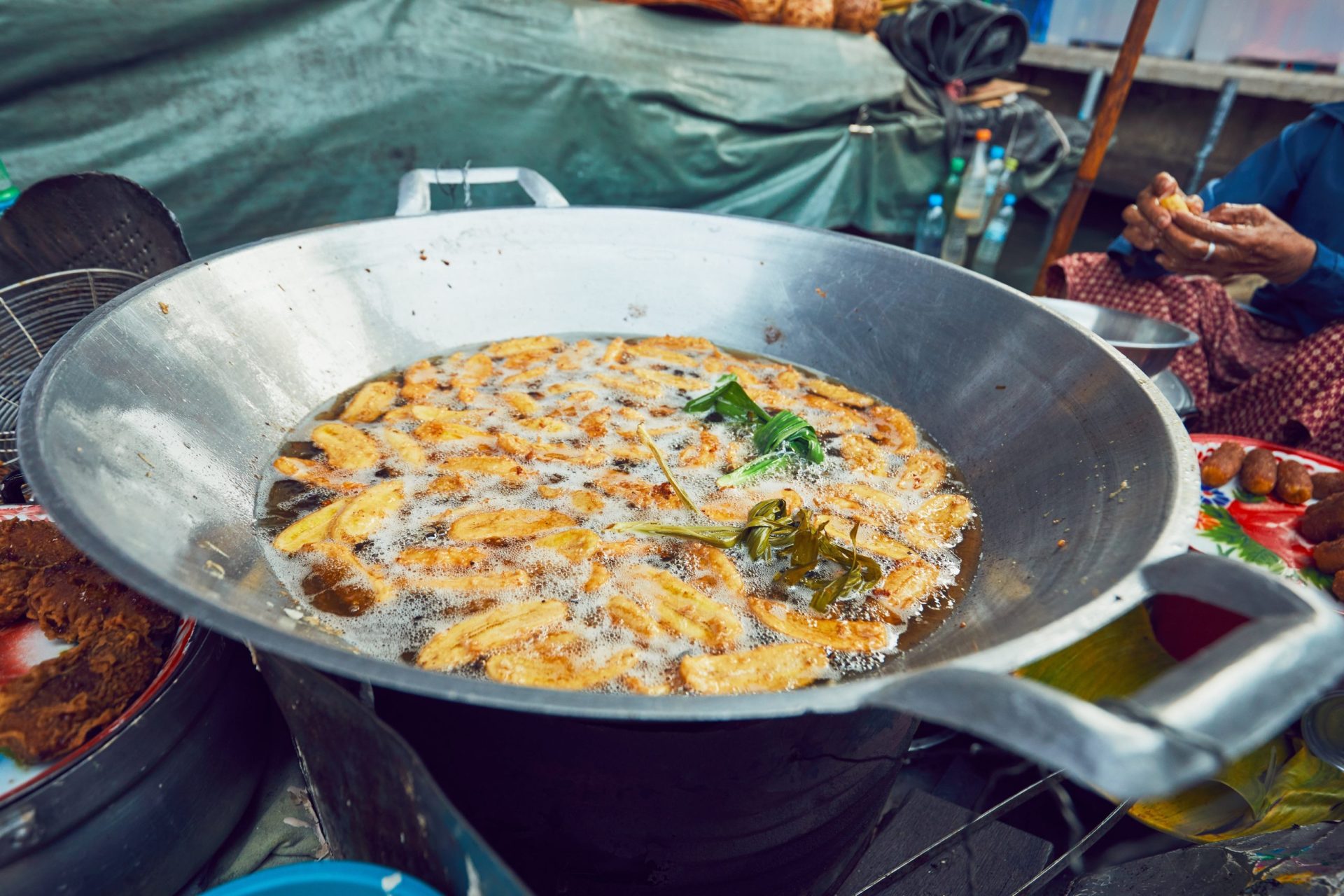


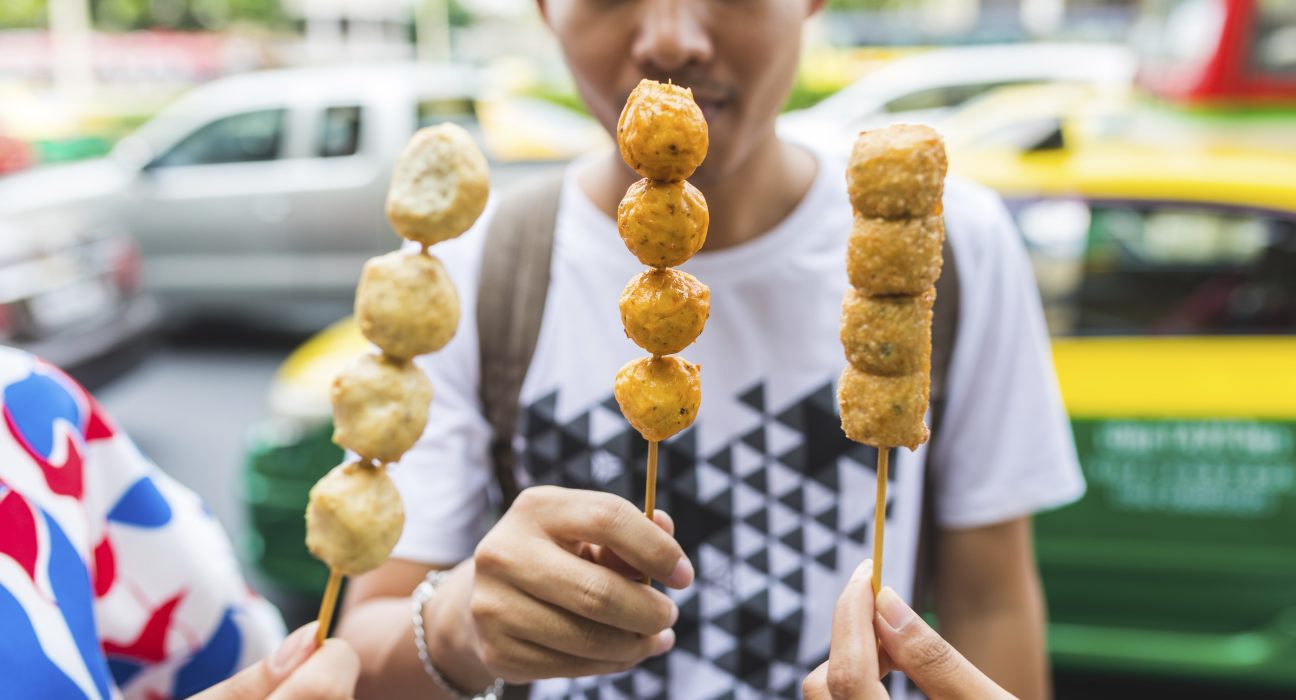
Street food is a culinary adventure that lets you experience the flavors and traditions of different cultures. For those following halal dietary guidelines, exploring halal-friendly street foods around the world offers a way to enjoy authentic tastes while staying compliant with Islamic dietary laws. From spicy Middle Eastern kebabs to savory Asian snacks, halal street foods provide both excitement and peace of mind for food lovers.
This blog highlights popular halal-friendly street foods from different countries, tips for finding halal options, and ways to enjoy global flavors safely.
1. Why Halal Street Foods Are Popular
Halal street foods are increasingly popular for several reasons:
-
Cultural Diversity: Street foods reflect the traditions, spices, and ingredients of each region.
-
Accessibility: Many halal options are available in major cities worldwide, especially in multicultural neighborhoods.
-
Flavorful and Fresh: Street vendors often prepare dishes fresh, resulting in bold, authentic flavors.
-
Halal Compliance: Halal meats and ingredients ensure food is permissible for Muslim consumers.
These factors make halal street foods a safe, delicious, and culturally immersive dining experience.
2. Middle Eastern Halal Street Foods
a. Shawarma
-
Origin: Levant region (Lebanon, Syria, and Palestine)
-
Description: Thinly sliced halal meat, usually chicken or beef, cooked on a vertical rotisserie.
-
Served in pita bread with tahini, garlic sauce, pickles, and vegetables.
-
Popular in cities like Dubai, Istanbul, and even London, shawarma is savory, juicy, and perfect for on-the-go dining.
b. Falafel
-
Origin: Egypt and the Levant
-
Description: Deep-fried chickpea or fava bean balls, spiced with cumin, coriander, and garlic.
-
Served with pita bread, hummus, or tahini sauce.
-
Vegetarian and halal by default, falafel is crispy, flavorful, and widely enjoyed.
3. South Asian Halal Street Foods
a. Seekh Kebabs
-
Origin: Pakistan and India
-
Description: Minced halal meat (beef, chicken, or lamb) mixed with spices, molded on skewers, and grilled.
-
Served with naan, chutney, or yogurt.
-
Seekh kebabs are spicy, smoky, and rich in flavor, making them a street food favorite.
b. Chaat
-
Origin: India and Pakistan
-
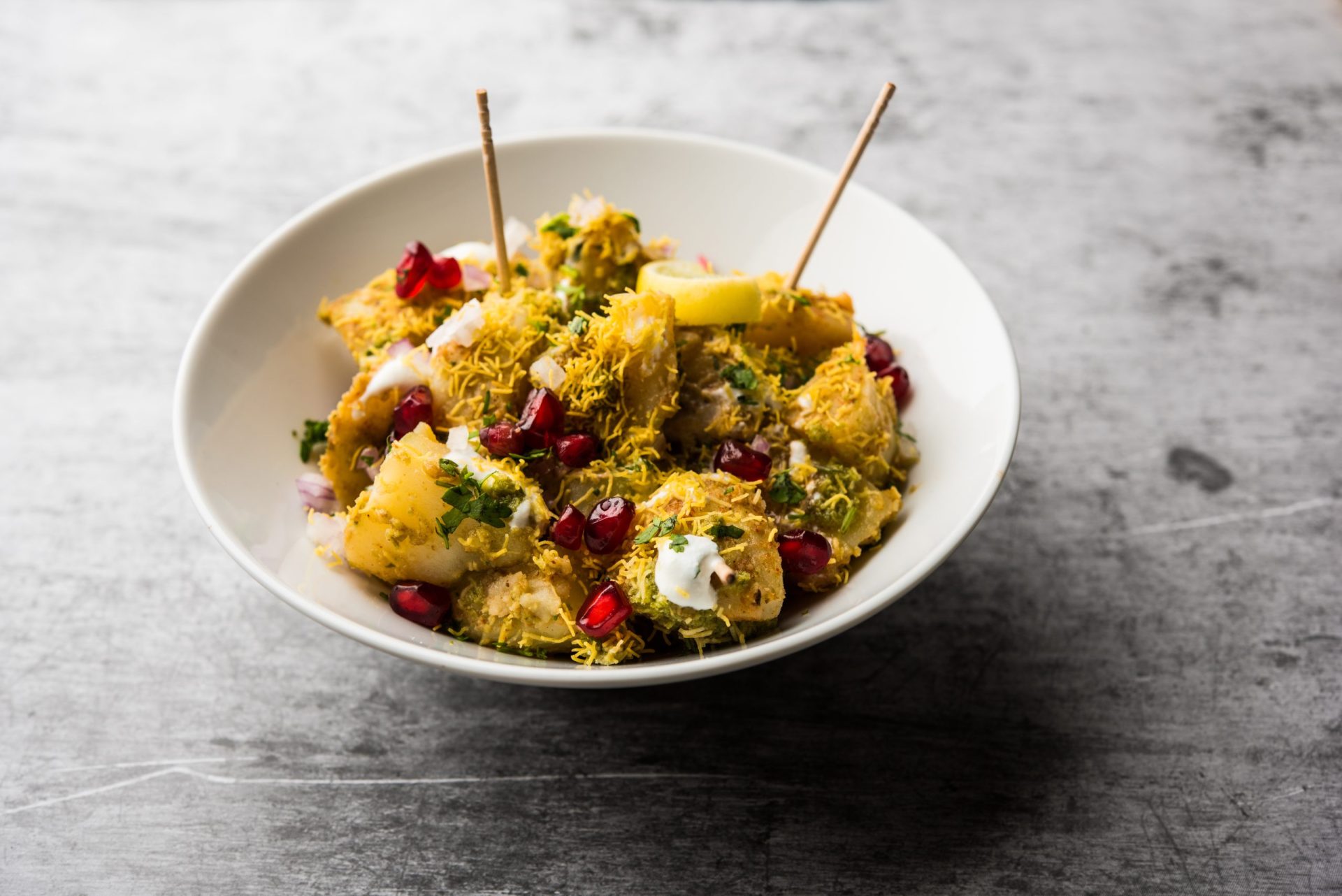
Description: A mixture of boiled potatoes, chickpeas, onions, chutneys, yogurt, and spices.
-
Served in small bowls or cups for easy snacking.
-
Vegetarian and halal-friendly, chaat offers tangy, sweet, and spicy flavors in every bite.
4. Southeast Asian Halal Street Foods
a. Satay
-
Origin: Indonesia and Malaysia
-
Description: Skewered halal meat, typically chicken or beef, grilled and served with peanut sauce.
-
Street vendors offer bite-sized portions perfect for snacking.
-
Satay is rich in flavor and incredibly aromatic, combining sweet, savory, and smoky tastes.
b. Nasi Lemak with Halal Chicken
-
Origin: Malaysia
-
Description: Coconut rice served with spicy sambal, boiled egg, cucumbers, peanuts, and halal chicken or beef rendang.
-
Popular as street breakfast or lunch, halal-compliant versions are widely available.
-
Nasi lemak is fragrant, satisfying, and culturally iconic.
5. European Halal Street Foods
a. Doner Kebab
-
Origin: Turkey
-
Description: Halal chicken or beef cooked on a vertical rotisserie, served in flatbread or sandwich style.
-
Topped with fresh vegetables, yogurt sauce, or chili sauce.
-
Widely available in European cities like Berlin, London, and Paris, doner kebabs are quick, flavorful, and filling.
b. Halal Pizza
-
Origin: Italy (with halal adaptation in global cities)
-
Description: Pizza topped with halal chicken, beef, or vegetables, adhering to halal meat and cheese standards.
-
Available in cities with Muslim communities, offering a fusion of Italian tradition and halal compliance.
6. Tips for Enjoying Halal Street Foods Abroad
-
Look for Halal Certification or Labels: Many international street food vendors display halal signs.
-
Ask Questions: Confirm that the meat is halal and sauces or oils are compliant.
-
Visit Muslim-Majority Areas: Halal street foods are often concentrated in areas with larger Muslim populations.
-
Prioritize Cleanliness: Choose vendors with hygienic preparation practices.
-
Start with Popular Dishes: Shawarma, falafel, and seekh kebabs are usually safe and widely trusted.
7. Making Halal Street Foods at Home
If traveling isn’t an option, you can recreate global street foods at home using halal ingredients:
-
Shawarma Wraps: Marinate halal chicken with Middle Eastern spices and grill at home.
-
Mini Seekh Kebabs: Use minced halal meat with cumin, coriander, and garlic, shaped on skewers.
-
Vegetarian Falafel: Blend chickpeas with garlic, cumin, coriander, and fry or bake.
-
Homemade Satay: Skewered halal chicken with a peanut sauce glaze.
Homemade versions allow control over freshness, spice levels, and halal compliance.
Final Thoughts
Halal-friendly street foods are a delicious way to explore global cuisine safely. From Middle Eastern shawarma and falafel to South Asian seekh kebabs and chaat, Southeast Asian satay, and European doner kebabs, there’s a world of flavors to enjoy.
By checking halal certifications, choosing trusted vendors, and exploring homemade recipes, you can enjoy authentic street food experiences anywhere. Whether traveling or cooking at home, halal street foods offer a combination of taste, tradition, and dietary compliance that makes every bite memorable.