

Hosting an event that is halal-friendly requires careful planning, especially when it comes to catering. Whether it’s a wedding, corporate gathering, birthday party, or community event, ensuring that the food complies with Islamic dietary laws is essential for guests who observe halal practices. Beyond religious compliance, halal catering can also reflect quality, hygiene, and inclusivity, ensuring that all attendees feel welcome and satisfied.
This blog provides practical catering tips for halal-friendly events, covering menu planning, ingredient selection, service, and presentation.
1. Understand Halal Requirements
Before arranging halal catering, it’s crucial to understand what halal entails:
-
Meat and poultry must be halal-certified and slaughtered according to Islamic law (Zabiha).
-
Prohibited ingredients such as pork, alcohol, and non-halal animal products must be avoided.
-
Processed ingredients, such as gelatin, emulsifiers, and certain flavorings, should come from halal sources.
Being thorough with these requirements ensures complete compliance, prevents any mistakes, and builds trust with your guests.
2. Choose a Reputable Halal-Certified Caterer
Working with a halal-certified catering service simplifies planning:
-
Certified caterers have experience with halal-compliant sourcing and preparation.
-
They understand cross-contamination prevention, ensuring vegetarian and meat dishes remain separate.
-
Certification often includes inspections, labeling, and ingredient verification, reducing your planning stress.
Always check for valid halal certification from recognized authorities such as IFANCA, JAKIM, or HFA when selecting a caterer.
3. Plan a Diverse Menu
A well-planned halal-friendly menu should balance flavors, textures, and dietary needs:
-
Appetizers: Mini kebabs, vegetable samosas, hummus with pita, and stuffed dates.
-
Main Courses: Halal chicken biryani, roast lamb, seafood dishes, vegetarian curries, and rice or bread accompaniments.
-
Side Dishes: Fresh salads, roasted vegetables, halal-friendly sauces, and yogurt dips.
-
Desserts: Sheer khurma, baklava, fruit tarts, and halal cakes or cookies.
-
Beverages: Fruit juices, mocktails, lemonade, and traditional drinks like Rooh Afza.
Offering a variety of vegetarian, seafood, and halal meat options ensures all guests can enjoy the meal.
4. Prioritize Food Safety and Hygiene
Halal catering is not just about religious compliance—it also emphasizes cleanliness and safety:
-
Ensure the kitchen and food preparation areas are sanitized and separate for halal and non-halal items if needed.
-
Avoid cross-contamination by using separate utensils, cutting boards, and storage for halal meats.
-
Maintain proper temperature control for cooked and uncooked foods.
Safe, hygienic food builds confidence and comfort among your guests, making your event more enjoyable.
5. Consider Presentation and Portioning
Presentation is key to making halal catering appealing and memorable:
-
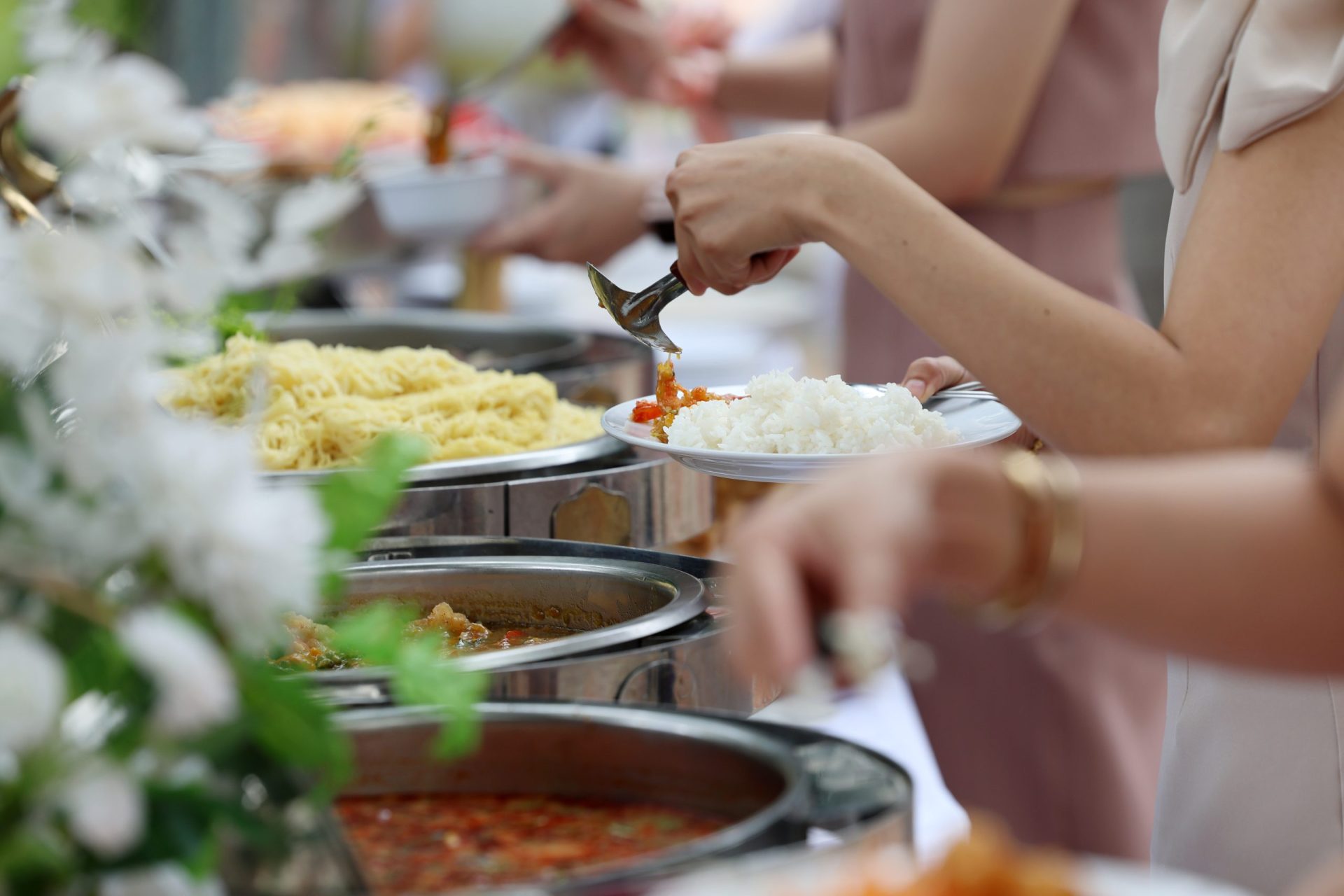
Use elegant platters, chafing dishes, and serving stations.
-
Provide bite-sized appetizers for easy access during mingling.
-
Label dishes clearly, indicating halal, vegetarian, or spicy options.
-
Offer buffet-style, plated, or family-style service depending on the event type.
Thoughtful presentation enhances the overall dining experience and ensures that guests can easily identify suitable dishes.
6. Accommodate Special Dietary Needs
Even within halal guidelines, guests may have allergies or preferences:
-
Provide vegetarian, gluten-free, or dairy-free options alongside halal meat dishes.
-
Ask the caterer to highlight allergen information clearly.
-
Include lighter options, such as salads, fresh fruits, or grilled vegetables, for guests with specific dietary concerns.
Accommodating diverse dietary needs shows consideration and professionalism in event planning.
7. Timing and Service Tips
Proper timing ensures that halal catering is fresh and enjoyable:
-
Coordinate with the caterer on meal service times, especially for events with speeches or ceremonies.
-
Ensure hot dishes stay warm using chafing dishes, while cold dishes like salads are kept chilled.
-
For multi-course meals, pace the service so that guests have a balanced dining experience.
Efficient service enhances guest satisfaction and allows everyone to enjoy the halal menu fully.
8. Final Checklist for Halal-Friendly Events
-
Verify halal certification of all ingredients and suppliers.
-
Plan a diverse menu with appetizers, mains, sides, desserts, and beverages.
-
Ensure separation of halal and non-halal items to prevent cross-contamination.
-
Confirm that the catering team is trained in halal food handling.
-
Label all dishes clearly for guest convenience.
-
Include nutritionally balanced options for energy and well-being.
Final Thoughts
Halal catering combines faith-based compliance with culinary excellence, making it an important aspect of planning successful events. By carefully selecting halal-certified caterers, planning a varied menu, prioritizing hygiene, and considering guest preferences, your event can be both memorable and inclusive.
From appetizers to desserts, every dish should reflect quality, flavor, and respect for dietary requirements, creating a halal-friendly experience that guests will appreciate and remember.